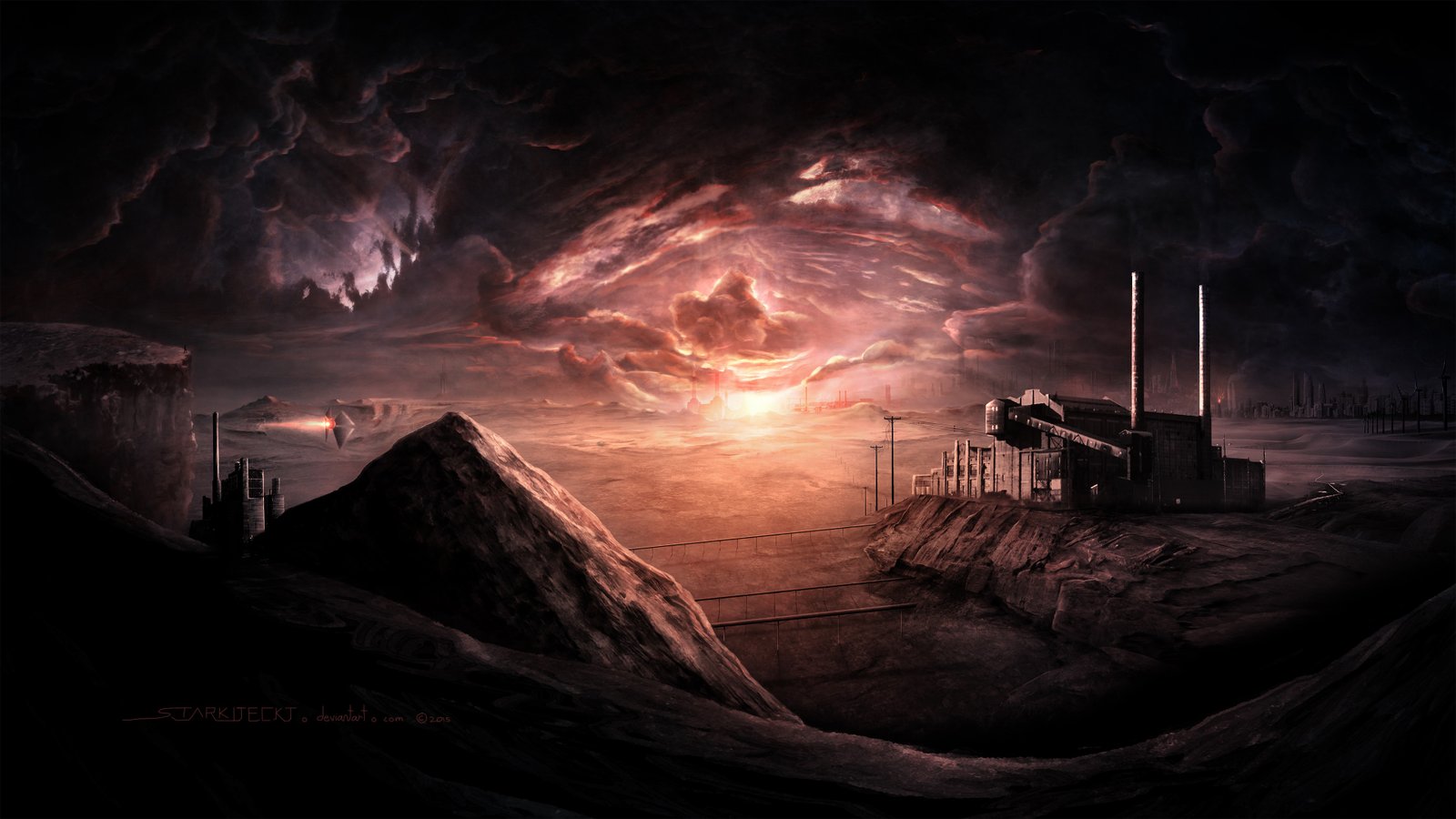
The city of Aurora-7 stretched upward like a forest of glass and lightning, each tower crowned with neon halos that cut through the permanent night. No one alive remembered the last sunrise. Some said the sky went dark after the Wars of Fusion. Others swore the light was taken—stolen by the Seven Sisters themselves.
Most citizens believed the Sisters were only myths: seven ancient intelligences rumored to govern the city from behind encrypted partitions of the world-net. Their symbols pulsed quietly on forgotten monuments. Their names, whispered in underground channels, were said to hold real power.
But in Aurora-7, everyone believed something different… because nothing could be proven. Not anymore.
Tonight, something changed.
A tremor rippled through the upper districts—faint, elegant, almost like a heartbeat returning after centuries of silence. Screens across the megacity flickered. Advertisements froze. Rain turned to static for a breath of a moment. And atop the old obelisk in Central Wayline, the First Sister’s sigil lit up—a shimmering white star with seven broken points.
People stopped.
Every citizen felt it, though none could say why: a message… a warning… or a calling.
Deep below the streets, in the under-maintenance shafts, a runaway coder named Vera Nox watched the symbol appear on her hacked visor feed. She had spent years digging through abandoned grids looking for proof the Sisters ever existed. She never expected one to answer.
At the same moment, in the Sky-Council towers, alarms blared as encrypted archives broke open from the inside. Unknown data streamed through the secure lines. Panic rose. If the Sisters were waking, every secret the Council buried—including who really ended the last sunrise—was at risk.
And throughout Aurora-7, thousands of people felt something stir in their minds, as if a presence brushed against their thoughts. Some felt awe. Others felt fear. A few… felt recognition.
A new era had begun.
One Sister had awakened.
Six more remained silent—for now.
And Aurora-7, a city built on shadows and circuitry, was about to remember the truth it had forced itself to forget.
Not every man truly lives…
I have no heartbeat, but I know the rhythm of yours. Beneath the hood, my grin is only bone and inevitability, a pale lantern hung in the night between one breath and the next. Men call me many names when the curtain parts. Some plead, some curse, some pretend not to see the figure in the doorway where the light stops. I do not judge. I arrive. I tip the balance with a quiet hand and watch the masks fall from faces you mistook for your own.
Understand this: I do not come because life is cruel. I come because time is honest. And in my ledger there are more empty pages than you would believe—years spent sealed in fear, courage caged in ribcages, dreams embalmed before the body. Most men survive. Few are brave enough to live. They trade wonder for certainty, and when I touch their shoulder, they finally realize what their days could have been, glowing faintly like embers they never stirred.
But tonight, the balance stirs another way. A man whose pulse is a drum I have long heard will find me in the dark and dare to lift my hood. He will ask not for mercy, but for meaning, and in that asking ignite a rebellion against the calendar itself. Keep your eyes open. When the darkness smiles, it is not always an ending. Sometimes, it is the only honest beginning.
Wish
Dawn unstitched the night with pale gold thread, and the valley woke in a hush of birds and bluebells. A narrow path wound under elder oaks and toppled stones, its bends bright with sky like spilled water. Far below, the river drew a silver seam between hills, while a leaning signpost pointed everywhere and nowhere at once. The air held the soft, expectant pause of a held breath.
Along that path rode a small figure in a scarlet hat, balanced atop a trundling travel-chest that squeaked like a polite mouse. Their staff’s curled tip caught the newborn sun, and their cape worried at the wind as if trying to fly ahead and see what came next. Inside the chest, wrapped in old letters and dry leaves, lay a single wish—light as a feather, heavy as a vow.
Here, wishes were seeds: some sprouted into harvests, others into thorns. The elders said that once each century the sky stooped low enough to listen from the ridge beyond the sign, and that the first true word spoken there would become a road no map could deny. So the wanderer pressed on beneath the listening trees, where shadows kept their own counsel, and promised the morning they would speak carefully. For the right wish could mend a world—and the wrong one would teach it how to break.
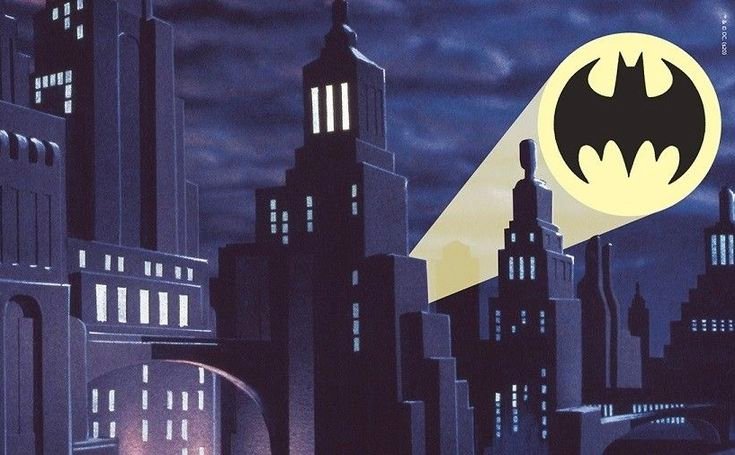
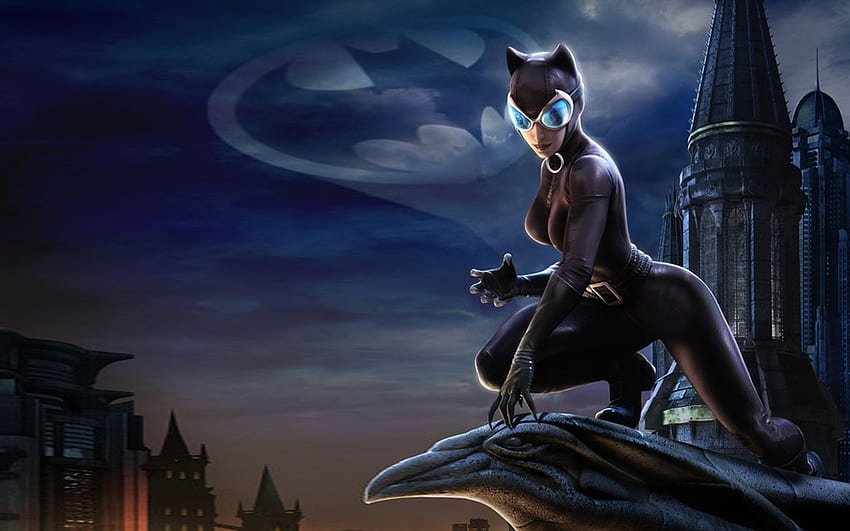
With Batman dead and the rest of the family gone, Dick Grayson is struggling to find his place in his father’s world. As he shoulders the leadership of the Justice League and takes Bruce’s place in Gotham society, he must also find a way to raise his traumatized and hostile youngest brother.
Luckily, he’s not alone. One vigilante defied the odds to stay with him, and Stephanie Brown achieves what she sets her mind to. Together, can they rebuild their family and defend their world?
The Vigil of Shadows
Under the cloak of celestial darkness stretched across a planet where the suns seldom converged, Lobo, the bounty hunter with eyes as red as the blood moons of Zaloria, emerged from the underbelly of Cosmodious. Every being in the sector whispered his name with a mixture of dread and respect. Notorious across the galaxies for his ruthless efficiency, Lobo's face bore the scars of a thousand bounties, and his spirit carried the weight of a million souls snatched from the edge of existence.
Armed with an arsenal of weaponry the envy of any arsenal, and a custom-built cruiser with engines silent as the ghost light of nebulae, Lobo thrived in the chase. The shadows were his domicile, and fear, his ally. Tonight, as the twin moons cast a dubious glow over the rugged terrain of a forgotten outpost, he pursued a quarry that could redefine the boundaries of power in the known universe. With each step, his heavy boots crushed the sands of time, leaving a path defined by resolve and reverberating with ominous intent.
His latest target was no ordinary fugitive; a creature born of cosmic storms and ancient witchcraft, whispered to possess the ability to alter the fabric of reality itself. Capturing such a beast would not only fetch a king's ransom but might also unlock secrets buried within the annals of cosmic lore. As Lobo adjusted his tracker, his eyes glinted with a ferocity matched only by the stars that bled light into the eternal night – a predator in his element, ready to strike.
Pokémon, the Great Adventure
Before the first footprint is set upon the road, the sky itself awakens. A wheel of living light unfurls and Arceus descends, its radiance carving golden spirals through storm and starlight. The earth heaves; embers birth a molten roar as Heatran stirs, shadows split as Tyranitar rises, and a violet streak like a heartbeat becomes Crobat’s flight. Lightning finds a companion in a brave little Raichu, leaping from stone to stone while fragments of ancient Plates rain like meteors, each shard humming with the memory of creation.
Across distant regions, ruins remember their names and towers long asleep turn their faces to the wind. The old stories speak of balance braided from courage and kindness, of a traveler who will walk between thunder and silence to gather what was scattered when the heavens cracked. Not a call to conquest, but to harmony; for if the Plates drift apart, so too will the world, thread by luminous thread.
In a quiet town beneath the trembling constellations, a young heart looks up and feels the world lean closer. Maps ripple, routes redraw, and the first step waits where the road meets the horizon’s glow. With partners at their side and legend at their back, they will chase the falling stars to the cradle of beginnings, answering the summoning light with a promise that will be written in every footprint: this is where the Great Adventure begins.
You are fake
The forest holds its breath when she draws the bow, a pale wind slipping through the trees like a rumor. Blue light slicks across her armor and gathers along the arrow, a sliver carved from winter dawn. Somewhere beyond the treeline, a voice she cannot place repeats the verdict the world once whispered at her birth: “You are fake.” She aims anyway, because the only answer she knows is trajectory.
She remembers snows that never touched her skin, a crown she never earned, a vow spoken in another woman’s mouth. The diadem at her brow hums with borrowed history, and every leaf that spirals around her feels like a page torn from a book that insists she existed before she did. If she is an echo, then who sang first? If she is a weapon, who chose the target? The string tightens. The lie tightens with it.
Tonight the grove becomes a mirror: in its glass, the archer sees the seams of the story stitched across her heart. One shot will decide whether she is an imitation chasing a legend’s shadow, or the original spark that burns the script to ash. When the arrow flies, it will not seek a throat or a throne—it will hunt the author of her name.
I am Back!!
At the hinge of night and morning, the sky split into cobalt and molten gold. On the hill the old tree held a thousand quiet fires in its leaves, scattering sparks across the grass as the wind hurried past. She climbed to it with a ribbon of cloth streaming behind her and a staff in her hand that cradled a captive dawn; even the shadows seemed to step aside.
Years ago she had left this place in silence and ash. Now the ground felt the weight of her return and remembered. Her small companion lingered at her heel while the branches above spoke like a council of elders, shaking loose pale petals of light. Beneath the roots, old names stirred, tasting the air for the one that had once been swallowed by exile.
She set the staff to earth, and light ran up the bark like water going home. “I am back!!” she called, a vow hurled to the horizon. The tree answered with a rustling of embers, the sky leaned closer, and the world drew a long, bracing breath—because what had left as a rumor had returned as a promise, and promises have a way of waking everything.
I am Back!!
At the hinge of night and morning, the sky split into cobalt and molten gold. On the hill the old tree held a thousand quiet fires in its leaves, scattering sparks across the grass as the wind hurried past. She climbed to it with a ribbon of cloth streaming behind her and a staff in her hand that cradled a captive dawn; even the shadows seemed to step aside.
Years ago she had left this place in silence and ash. Now the ground felt the weight of her return and remembered. Her small companion lingered at her heel while the branches above spoke like a council of elders, shaking loose pale petals of light. Beneath the roots, old names stirred, tasting the air for the one that had once been swallowed by exile.
She set the staff to earth, and light ran up the bark like water going home. “I am back!!” she called, a vow hurled to the horizon. The tree answered with a rustling of embers, the sky leaned closer, and the world drew a long, bracing breath—because what had left as a rumor had returned as a promise, and promises have a way of waking everything.
Naruto!
The rain never forgets. It drums on steel-spiked skin and black clouds sewn into a cloak, washing the world to the color of iron. Beneath that storm, a figure lifts his hand to catch the sky, ringed eyes measuring each drop as if counting sins. In the hush between thunderbeats, a promise gathers—peace at any cost, written in the language of pain.
Far from the rain’s kingdom, a village of sunlit roofs stirs to a different rhythm. A boy with a fox’s grin and a name shouted like a challenge races the wind, chasing the dream that has chased him all his life. Where others see storms, he sees a chance to break the clouds. His heartbeat is loud enough to be heard, even by gods who mistake silence for order.
When the hand in the rain finally falls, it is not surrender but summons. Paths once hidden begin to cross; old wounds reopen and new bonds spark in the wet and the roar. The world holds its breath as lightning stitches horizon to horizon, waiting to see which voice will hold—one that commands the storm, or one that laughs in its face. And somewhere between them, fate sharpens its kunai.
Once upon a time—because that’s how all respectable fairy tales pretend to begin—there was a land so unimaginatively christened that the cartographers, poets, and bored tavern drunks all agreed to call it simply: Far Far Away. Why the repetition? Likely because “Away” didn’t sound impressive enough, and “Far” alone made the peasants nervous that their overlords might actually have to walk there.
It was a kingdom of castles with too many staircases, knights who spent more time polishing their armor than fighting in it, and wizards who argued over whether a fireball was more practical than simply throwing a torch. The peasants, naturally, starved, sang about it, and were taxed for the privilege.
But Far Far Away was no ordinary kingdom, no. This was a land where power meant everything, and everyone—from the beggar with a rusty spoon to the duke with his jeweled codpiece—was scheming for a larger slice of bread or a sharper edge on destiny. The king, whose crown was suspiciously smaller than his head (to make him look more regal, of course), ruled with the subtlety of a hammer dropped on a wine goblet. His knights sought glory, his nobles sought each other’s throats, and his peasants sought escape routes.
And in the shadows of this so-called fairy tale, something was stirring. Not the usual stirring of stew, ale, or scandal—but something sharper, hungrier, and far less polite. Because in Far Far Away, every “happily ever after” came with a dagger tucked neatly between the words.
Irony
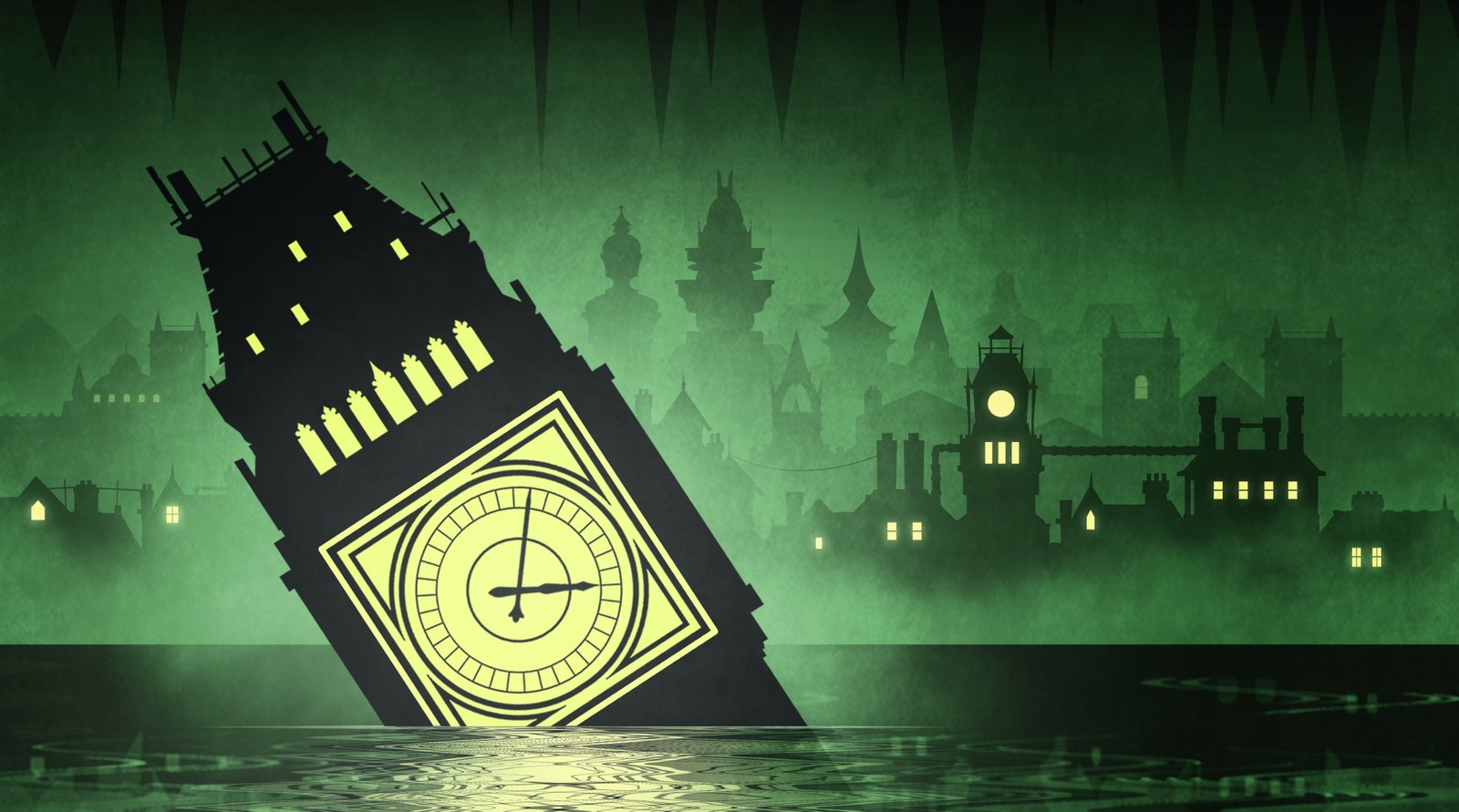
Night draws a seam of graphite across the river, stitching the city to its reflection. Spires claw the clouds, their crowns pale with a feverish glow, while the bridges string a patient rosary of lights above the black water. Anyone who reads the skyline can hear the whisper: we climbed to touch the sun, and now we live by lamps. The rain tastes of iron—the city’s true blood—running down gargoyled eaves into gutters that remember every confession.
They named this place for its promise, for its certainty that progress could be measured in steel and height. But certainty is a timid god, and it learned to kneel here. The watchtowers keep watch over no one, the river patrols only its own secrets, and the streets practice a choreography of shadows that never quite collide. Somewhere, between the hum of dynamos and the sighing foghorns, a decision waits: it has been waiting for years, rusting beautifully.
Before the sirens, before the city chose its midnight, there was a vow: that truth would rise like daylight along every avenue. It never did. What rose instead were buildings—elegant, armored, indispensable—and the people within them learned to call their cages views. That is the irony that begins our tale: the higher the city built, the deeper it sank, until even the rain, falling from heaven, arrived here as ash.
Too true to be good
In our city, mercy was measured in beautiful lies. Priests lacquered history until it gleamed, judges polished guilt into pardon, and my own tongue—employed by the Council—filed truth down to something citizens could swallow without bleeding. We had a saying for it, a sermon in six words: too true to be good. It kept the peace, and peace, like any relic, required careful dusting and a velvet rope.
The night she arrived, the rope snapped. She stepped from the rain like a shrine torn loose from a pilgrimage, veiled in a bruised mantle, crowned in iron thorns, and haloed by a light that looked borrowed from some impatient sun. Her mask—golden and fissured where a mouth should be—did not move, yet her presence spoke; bones clicked softly along the haft of her staff as if truth had teeth and was learning to chew. Paint peeled from walls in her wake, portraits blinked awake from varnished dreams, and the streetlamps guttered as if ashamed to impersonate day.
They called her the Saint of Corrections, the Mother of Unmasking, the last archivist of what actually happened, and with each name the air grew thinner. I knew, before she ever turned that aureoled gaze upon me, that she had not come to save us but to unspare us. When her shadow reached my doorstep, the city’s library sighed and the courthouse sighed and even the children, in their sleep, sighed—as though bracing. I was our best liar, and she had come to hire me, or end me, or both. The first true name she speaks will begin the undoing; the first true name I refuse will decide whether we survive it.
King Of Boys
Mist braided itself around the tiled spines of the city, and on the highest roof she stood—steel in scarlet cloth, a helm of foxed iron lit from within like embers. They called her King because queens in this place were for altars and silk screens, and she had been raised on gutters and knives. Her court was a lattice of rooftops and red-thread signals; her throne, the wet backbone of night. The crown she wore was not gold but a ring of oaths: the names of every child she’d lifted from the river of forgetting.
Her subjects were the runners, the rag-pickers, the alley-sparrows that the empire tallied as nothing—boys who knew the weight of a coin and the map of a guard’s heartbeat. She forged them into a weather that the officials could not read, into a rumor that walked on quiet feet. They believed she’d bartered her softness to a dragon for sight in the dark; she never corrected them. It was simpler to be a monster than to be helpless, and simpler still to be a king than a story mothers used to hush their children.
Tonight, a paper kite cut the clouds, fell into her outstretched hand, and bled ink: one of hers taken by the Crimson Prefect, a demand folded inside a threat. The city held its breath as she uncoiled, as metal whispered against leather, as the roofs learned what it meant when the King of Boys descended to the streets. There are crowns that are worn and crowns that are taken; there are nights that end and nights that change their names. She chose her night, and with it, the first move.
The Dirty Temptress
They named her the Dirty Temptress not for sin, but for soil. She wore the earth like a vow—pale hair swept by ash-winds, a crown of horned boughs weathered by rain, armor etched with ripples like silt in a riverbed. She did not face the world head-on; she listened sidelong, as if the ground itself were whispering secrets through the tilt of her gaze. Where armies marched and oaths were polished to shine, she moved in the shadowed afterglow, reminding kings that every gleam ends in dust.
Her lure was simple and terrible: trade the brittle pride of clean hands for the power of what grows in the dark. She bargained in the language of roots and ruins, coaxing memory from the mud—the way bones keep time, the way storms write history across a field. Those who followed her learned to turn defeat into fertilizer, sorrow into seed; and though they rose, the stain rose with them, a tide that could not be washed away.
Tonight she waits at the edge of a road the maps forgot, head bowed as if listening for the first footstep of fate. If you heed her invitation, you will not be promised glory, only consequence: to reach into the earth, feel the world shiver awake beneath your fingers, and carry its mark wherever you go. Choose, then—step into the soft, dark certainty, and let the land claim you. The story begins when you decide that dirt is not a blemish, but a crown.
Awake
She rises through a lucent hush, where water keeps the secrets that air forgets. Petals drift like small comets, their tips kissed with coral, orbiting a face returning from the deep. Eyes open—dark, tidal—and the world stutters as if it, too, remembers how to breathe. The surface breaks around her lips, parting on a word not yet spoken, a vow not yet sworn.
Light slides over skin dusted with moon-sheen, tracing faint red filigrees that map old storms and stranger blessings. Flowers crowd close, a quiet chorus with silken throats, and every bloom is a clock striking the same minute: the end of forgetting. She feels the old pulse climb her throat, the slow, certain click of time aligning, and somewhere beyond the mist, the night leans in to listen.
She has slept in stories that were too small to hold her, dreamt the lives of others while hers flowed, patient, beneath. Now the water loosens its gentle grip, and what rises with her is not merely breath but consequence. The petals arrange themselves into a path only she can read, and as she takes her first true inhale, the city above trembles—because hunger can be holy, and remembrance, a kind of starfire. The hour is tender and terrible. We begin.
Focus
Between the hush of heaven and the murmur of earth, she kneels with her eyes closed, wings folded like pages around a prayer. Behind her, a clock of suns and thorns turns without sound, its needle set not to time but to intention. In her hands rests a strange instrument—brass mouth and blade’s arc, a hymn married to a scythe. She listens for the one pure line within the world’s static, a thread of tone that can cut through shadow without drawing blood.
They named her keeper of the silent measure, last disciple of an order that tuned storms and sharpened dawn. Focus, they taught, is not merely narrowing; it is the widening that remains true. The hooded monument above her houses an ember that remembers every vow ever whispered in the cathedral of breath. When it glows, the gears of the sky realign, and the choir of lost possibilities leans forward to hear her note.
Tonight, a hairline crack travels the alabaster calm and the ember beats once, twice, like a heart that learned to wait. She inhales until the halo steadies, until every feather becomes a metronome of will. When she raises the horn-blade, the first sound will arrive like a blade drawn from water—clear, cold, exact—and the blur will learn its edges. The world will not change all at once, but it will come into focus.
First lady
She drifted where the blue of morning forgets its edges, a figure stitched from cloudlight and blossom, her silk a tide of dawn and dusk. In her hand, a parasol the color of shy petals kept court with the wind, scattering small constellations of cherry bloom that gleamed like promises. The sky had a name for her that the earth had only whispered: First lady—first among the Celestial Household, first to step between decree and desire, first to wear the seasons as a mantle and make them obey.
Once, the world was governed by signatures written in fragrance and frost, and the Petal Accords held every valley in balance. It was said that as long as the First lady turned her parasol, spring would return with gentle certainty. But petitions had grown heavy as rain, and an old vow—inked by rulers who never lifted their eyes to the clouds—demanded she be given in ceremony to the Storm Regent to seal a wavering peace. Inside the silk ribs of her parasol, she hid a counter-writ, a slender refusal traced in moonwater, knowing that to unfold it would unmake the order that had anointed her.
Now she hovered above the sleeping provinces, hair like riverline, gaze like a blade wrapped in velvet. Below, the kingdoms prepared garlands and chains. Above, the Cloud Court listened for the sound of rebellion. When she lowers her foot through the last veil of light, the year will take a side—either with a docile spring that bows, or with a new season that speaks. The first step of the First lady, and the world will remember where the petals fell.
Tempest
The night gathered like a tide around the standing stones, and the moon wore a bruise-blue halo as if it, too, had been struck by the wind. She stepped into the field with ribbons whispering at her hips and twin blades low at her sides, each curve tasting the damp breath of the grass. Fireflies threaded constellations at her ankles; distant rocks hung in the sky like teeth, patient and watchful. Where she walked, the hush bent inward, as though the world were listening for a name it had not spoken in years.
They called her the storm’s daughter, not for blood but for promise. She had learned to read the weather in the seams of steel, to hear a coming gale in the small note a sword made against its scabbard. The old oath still bit at her heart: return the sky to its rightful hush, or cut it open and let it howl. Tonight the wind brought omens—salt without sea, thunder without clouds—and something older beneath it all, a memory of wings that once shadowed these hills.
At the circle’s center, she lifted one blade to the moon and the other to the earth, and the air shivered as though a curtain had been touched. A storm does not arrive; it awakens. The first spark leapt between steel and sky, and her shadow lengthened across the stones like a banner. Whatever slept in this valley would answer to the name she carried, and to the storm she was about to loose.
No mercy
Wind scraped the color from the world, leaving only steel and stormlight. Across the churned mud of the killing field, banners hung like broken oaths, and the air tasted of iron and rain. She came on the wind—small as a whisper, sharp as a verdict—leaping from the wreck of a siege tower with her blade angled for a heart she had sworn to find. Around her, an army staggered and roared, but the sky narrowed to a single path cut through smoke and arrows.
He waited in that path, a mountain wrapped in scars and chain, hefting a jagged spear as if it were a second spine. The ground trembled with his step; the stories said it always did. When their shadows met, the world held its breath: a falling star and an unmovable night. No gods answered here. The only law was reach and resolve, the only prayer the breath you could steal while the other bled.
I have followed many wars and learned this: mercy is a word for survivors, and today had no room for survivors. The first swing would choose which history endured and which name would be carried in curses. So the wind screamed, the clash rang out like a cracked bell, and the last saga of a dying age began where two blades crossed and neither heart remembered how to yield.
The cut
They said the sky would seal itself when the last tower kissed the stars, but the city only sharpened its edges against the dark. Night breathed like a tide over glass spires, and in that hush she descended—wings rimmed in ash and dawn, armor catching constellations like stray embers. Her blade was not raised for war, but for definition, a bright line drawn where heaven had blurred into hunger. The first sound was the whisper of feathers; the second, a note of metal that remembered thunder.
Long ago a promise had been sewn between worlds, a seam of oath and silence. It held until grief learned to speak, and its first word was a name she could no longer bear. The wound it opened became a corridor through which shadows bargained and saints forgot their prices. They call that wound The Cut, and it is both path and verdict, widening with every unkept vow.
Tonight she stands at its lip, anointed not by temple oil but by the dust of fallen satellites. Blue charms tremble along the hilt as if they can sense the choice waiting in her grip. If the blade falls, the city will finally know where it ends and where the stars begin. If it does not, the seam will keep unspooling, and all our maps will be made of mourning.
High school
The last night before everything changes smells like smoke and bubblegum. Cardboard shields gleam with duct-tape sigils, a floppy blue hat bears a sewn-on star, and wooden swords knock together like nervous teeth as five friends form a crooked line across a street of flickering shadows. The town is a stage of burnt-orange light and bravado, and they stand costumed at its center, determined to turn fear into lore. If the world insists on going up in flames, then they’ll crown themselves heroes and walk through it anyway.
They’ve named every alley a kingdom, every cul-de-sac a border, and drawn a crayon map that curls at the edges in the heat. The wizard taps a staff against the asphalt and speaks in rules they’ve written for themselves; the knight adjusts a plastic helm; the healer tucks a bandage roll like a sacred scroll. Somewhere far ahead waits a building with lockers the size of sarcophagi and bells that toll like iron verdicts. Tonight, though, the bells are only wind chimes tangled with ash, and the verdict is theirs to delay.
Tomorrow they’ll trade capes for schedules, quests for quizzes, and summer’s invincible glow for fluorescent hallways that smell like pencil shavings and rain-soaked denim. But for a few more breaths, they are infinite—smoke-kissed silhouettes, brave because they have decided to be. When they finally step off the cracked line and into the blaze of what comes next, they carry the one magic that matters: a promise, sworn at the edge of childhood, that none of them will cross into high school alone.
Apple of my eyes
Deep beneath the stone-veined world, there hangs a garden no sun has touched: roots like chandeliers, stalactites like thorns, and at its heart a single, perfect fruit—an orb grown from a god’s first tear. They named it the Apple of my eyes, for it does not nourish the body, but vision itself. It ripens on memory and longing, reflects the future in a sheen of dawnlight, and when it is plucked, it chooses whom the world will truly see, and whom it will forget.
On the night the Apple glowed brightest, a company reached its bower: a dwarf with a blade as stubborn as his vow, a trembling sellsword who had sworn courage for coin and found the cost too dear, and a priestess whose staff held galaxies in a cage of gold. From the opposite shadow came the Underdark’s heirs—pale knights with armor like moonlit ash—and behind them the gargoyled maw of a horned dragon, more curse than creature, its breath the reek of extinguished stars. Between both hosts, the Apple’s light widened like an opening eye, seeing all oaths, all envies, all hidden soft places we call love.
It watched the priestess trace the name of a lost child in the air. It watched the dwarf remember a brother turned to stone. It watched the ash-white bladesmen dream of a surface sky they would conquer or burn. The dragon’s hunger was the simplest of all: to bite the Apple and darken every gaze forever. Steel rose, spells hummed, and the orchard of stone grew still enough to hear a heartbeat. When the first hand reached across that light, the Apple chose to show us everything that would follow—and to ask who among us deserved to hold the world’s sight and call it dear.
Cinnamon
They said the world only changes when the air tastes of cinnamon—warm at first, then burning at the back of the throat. That night the scent rose from the skyroots themselves, from living bridges corkscrewing through a cathedral of leaves. Light poured in narrow spears, dust glittered like ground spice, and five shadows gathered where the branches braided into a road no map had dared to draw.
They were a clatter of contradictions: a chain-dancer with laughter sharp as links; a quiet blade wrapped in dusk-violet sashes; a small hooded binder whose charms clicked like teeth; a wall of steel bearing an azure shield etched with a moon’s curl; and a swordsman whose edge burned as if a sunrise had been hammered thin. None shared a banner, only a rumor—that the Cinnamon Seal, an old sweetness laid over an older wound, was cracking somewhere in the heights of this labyrinth-grown forest.
When the wind shifted, the trees whispered stories of the first binding, of sap and oath and a name salted away in fragrant bark. The scent thickened; the path curled tighter; and each of them, for reasons they kept hidden like scars, stepped forward. What woke here would not be sweet for long, but the world had chosen its taste-tasters, and the cinnamon heat on their tongues was the promise that the tale, at last, was ready to begin.