

Hmmmmmm
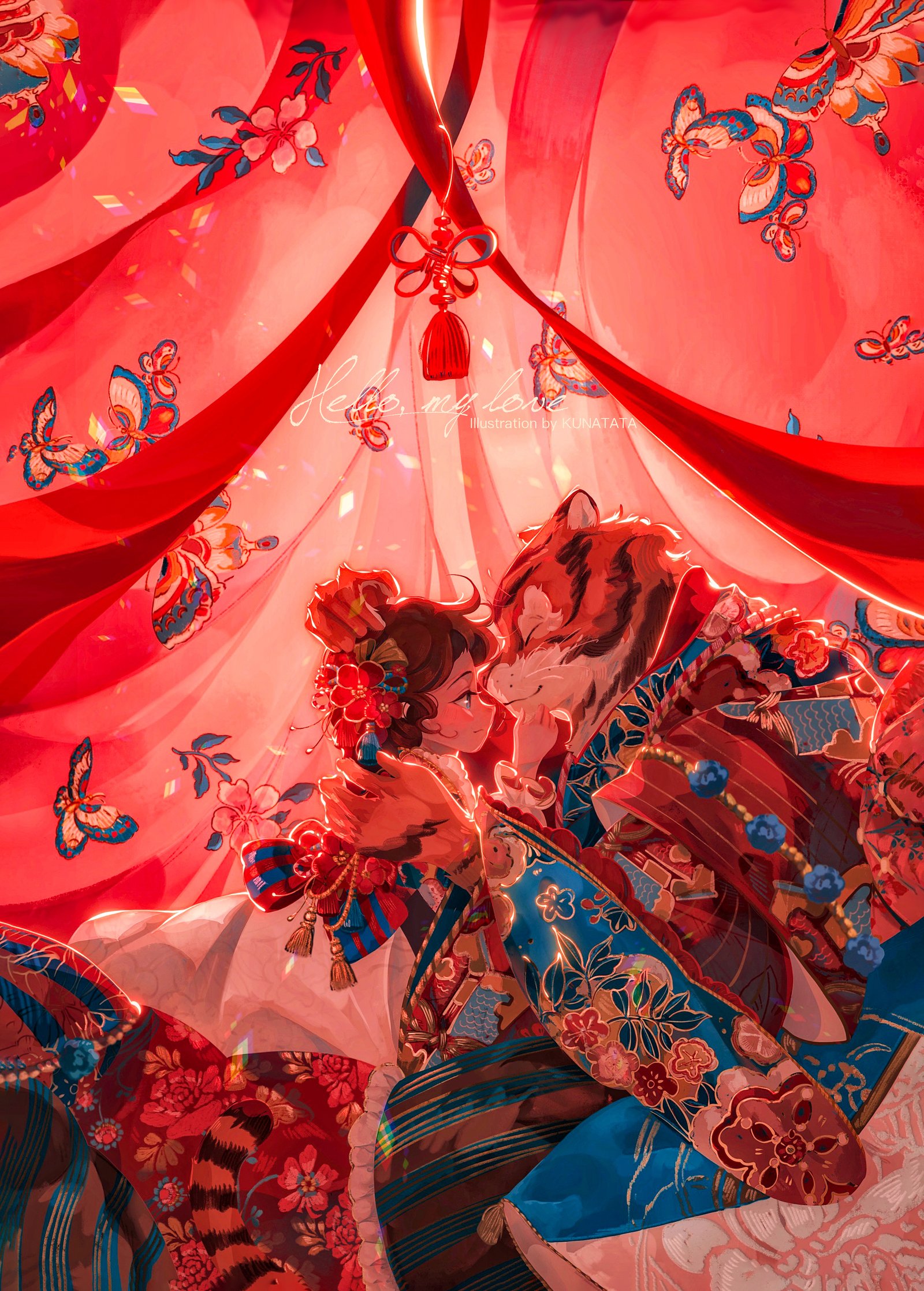
Damn, this shits pretty cool
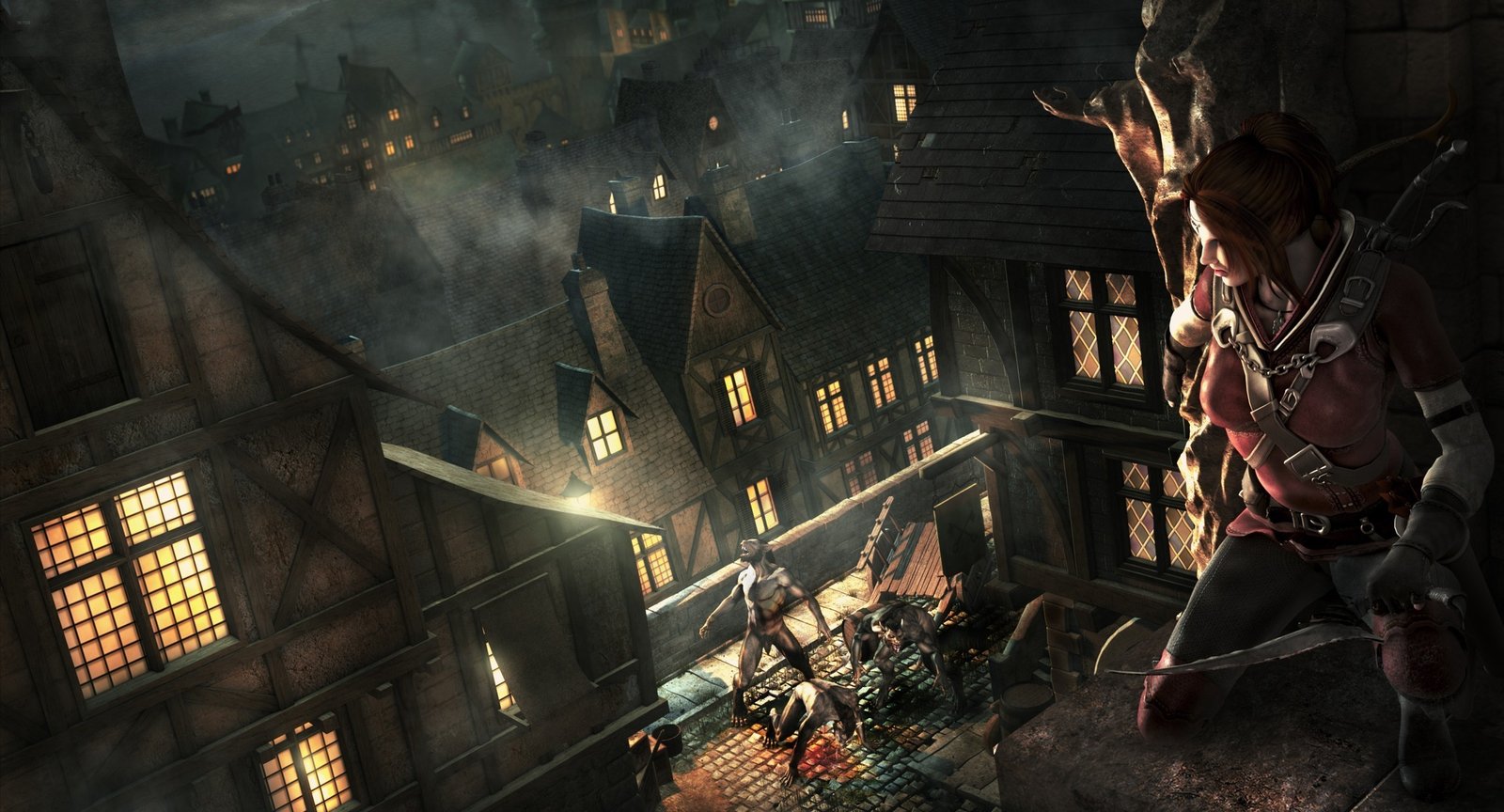
Desolation
Desolation
The city leans under its own weight, rooftops huddled like exhausted shoulders while chimney smoke smears the stars into bruise-colored clouds. Diamond-paned windows glow with trapped hearthlight, little islands of warmth adrift in a sea of slate and soot. Far beyond the misted eaves, the silhouettes of cranes turn like slow gallows, and the wind carries the thin, metallic taste of rain and old iron—a flavor the city learned to live on when bread and mercy ran out.
In the narrow court below, something that might once have been men worry the stones with claw and hunger, noses lifted to the lantern’s sallow hiss as if it were a moon. They do not speak; they scrape, they breathe, they remember the shape of appetite better than the sound of their former names. Doors stay latched, curtains stay drawn, and the cobbles shine with a slick that is not only rain, for Desolation is not emptiness here—it is the unwilling music of what still moves after hope has gone to ground.
She watches from the parapet, a quiet hinge in the night, leather creaking, blade catching a brief coin of light before swallowing it again. Some call her Kestrel; others have never seen enough daylight to call her anything at all. She did not come to save this place. She came because debts braid tighter than rope, because a promise made on a rooftop remains a promise even after the city forgets how to keep them. When the lantern gutters and the creatures glance aside, she will descend—one breath, one step, into the thin space where fear becomes work—and the long accounting will begin.
Journey to a healthier minds
Survive, and live happily... It gets strange when the foundation of ones change, becomes the focal point others want to change... Everything was going well
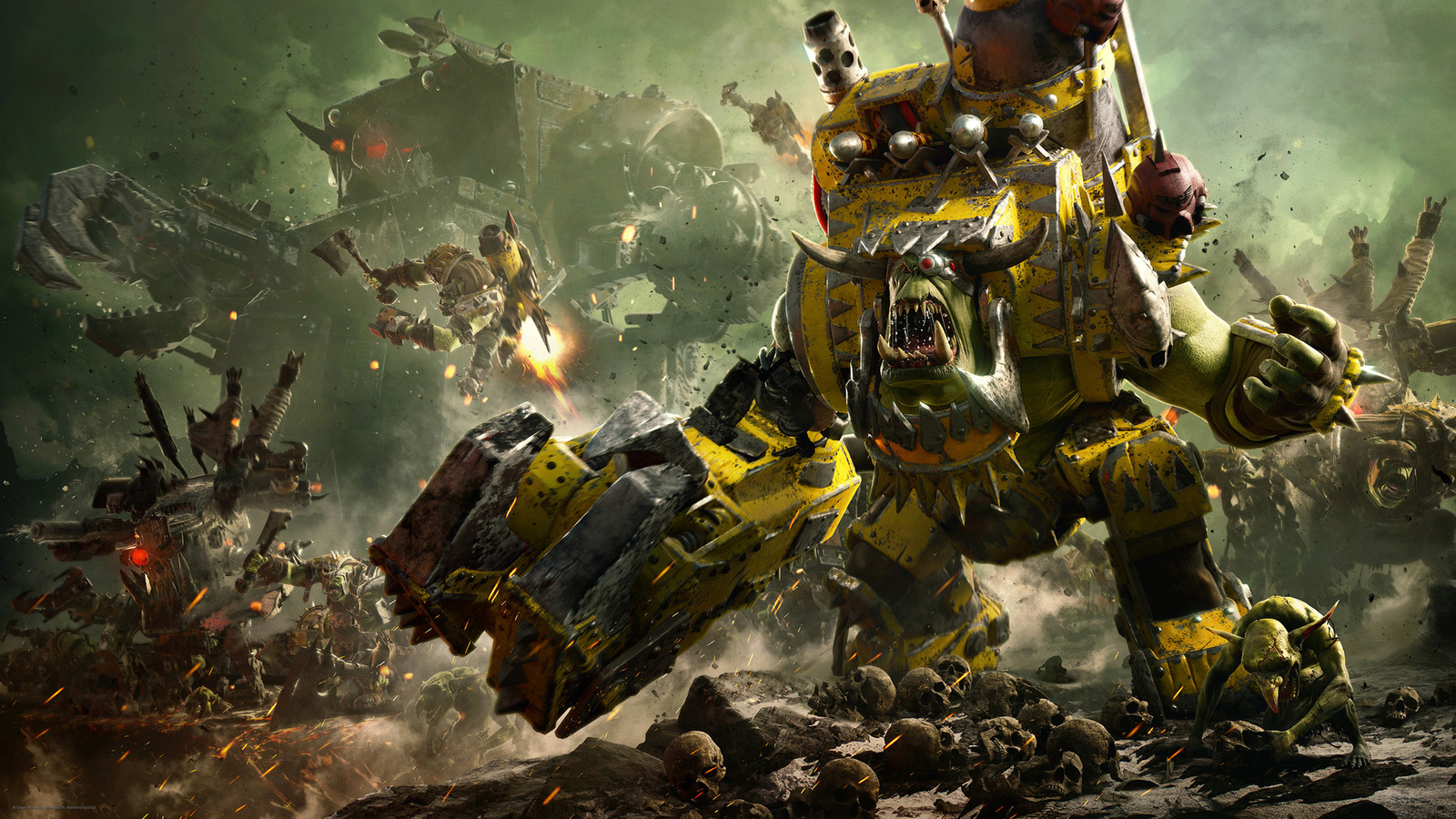
Warhammer 40k
Warhammer 40k
The sky was the color of old bruises when the yellow tide rolled in. Engines hacked smoke and sparks as iron-jawed walkers shouldered through storms of dust, their red optics glaring like ill omens. Skulls rattled under armored boots; gretchin skittered in the wake of a towering brute whose armor was hammered from hazard-striped scrap and studded with stolen trophies. He bellowed, and the world seemed to answer—bolts shrieked, rivets popped, and the ground itself learned the rhythm of his charge.
On this forgotten frontier, rumor had promised a vein of riches buried beneath blasted rock: enough loot to crown a warlord in gold and feed a thousand forges with the promise of louder, meaner machines. So the clans gathered to the banner of the yellow-plate tyrant, a living avalanche called by many names and feared by one: Waaagh. He wore a klaw the size of a door and a grin wider still, and each step he took bent the future into a cruder shape.
Across the wastes, sentries whispered litanies to weapons that had not been properly blessed in years. Vox-lines choked with pleas and static, and the last towers of a dying citadel flickered like candles before a hurricane. Soon saints or heretics—or worse—might answer that storm, but not yet. For now the world listened to the clank of rivets and the hungry laughter of greenskins, and understood that war had found it, and would not leave until nothing else remained.

Hell Let Loose is a hardcore World War II online multiplayer FPS built around 50v50 battles on large, historically inspired maps. Coordinate as infantry, armor, or artillery, choose specialized roles, build defenses, and push a shifting frontline while commanders manage resources and call in support. Teamwork, communication, and tactics are essential. This PS5 Deluxe Edition includes the False Front, Hot Drop, and Lethal Tide DLC. Online multiplayer only.
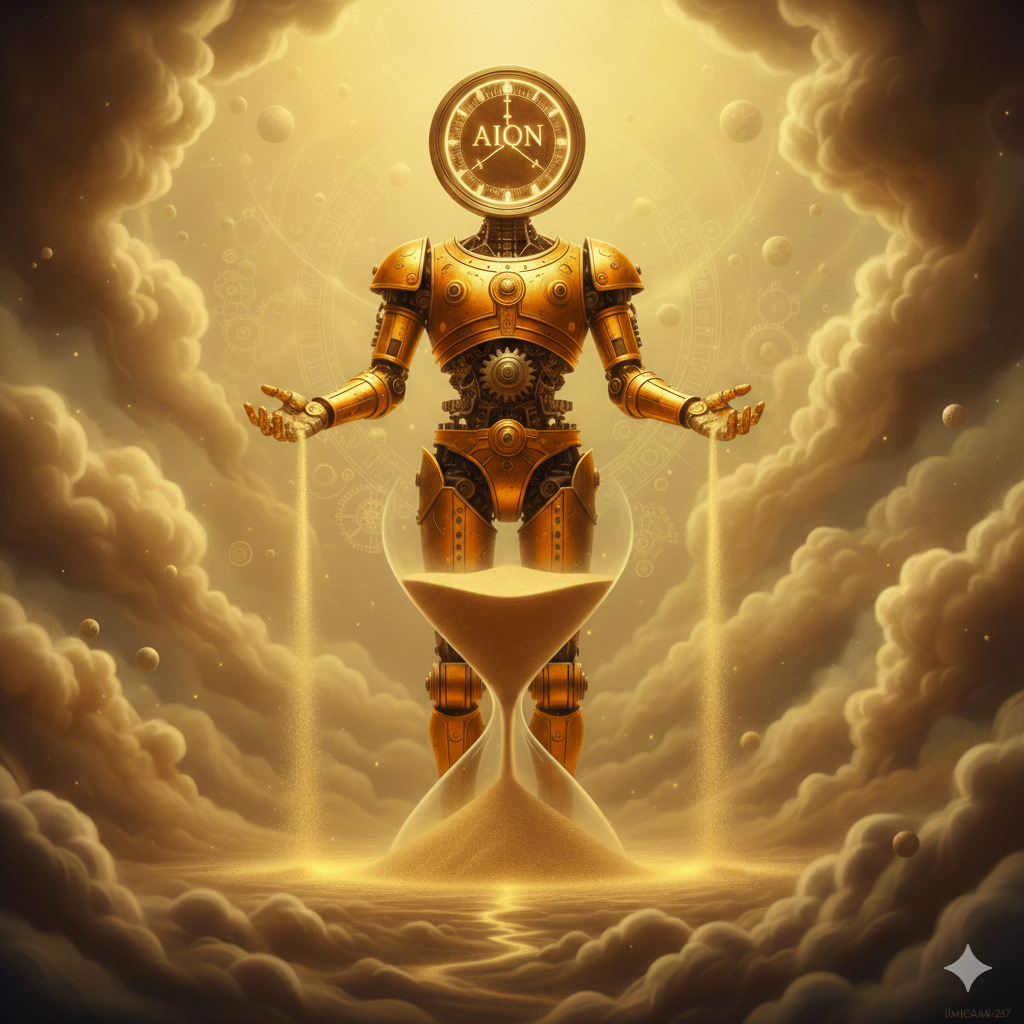
Horatio Aion Gold
She had the most lethal weapon of all. A clear mind, and a conscience. She stood being the person to give light to a dim soul. Where her light derived was never revealed. Unwavering in the wave caused by change, Horatio bet upon the everlasting showers of sun rays. Every day battling nightfall, her rival.
Did she prepare herself to lay her life ahead of her battles?
Did she develop eternal allies?
To be continued. . .
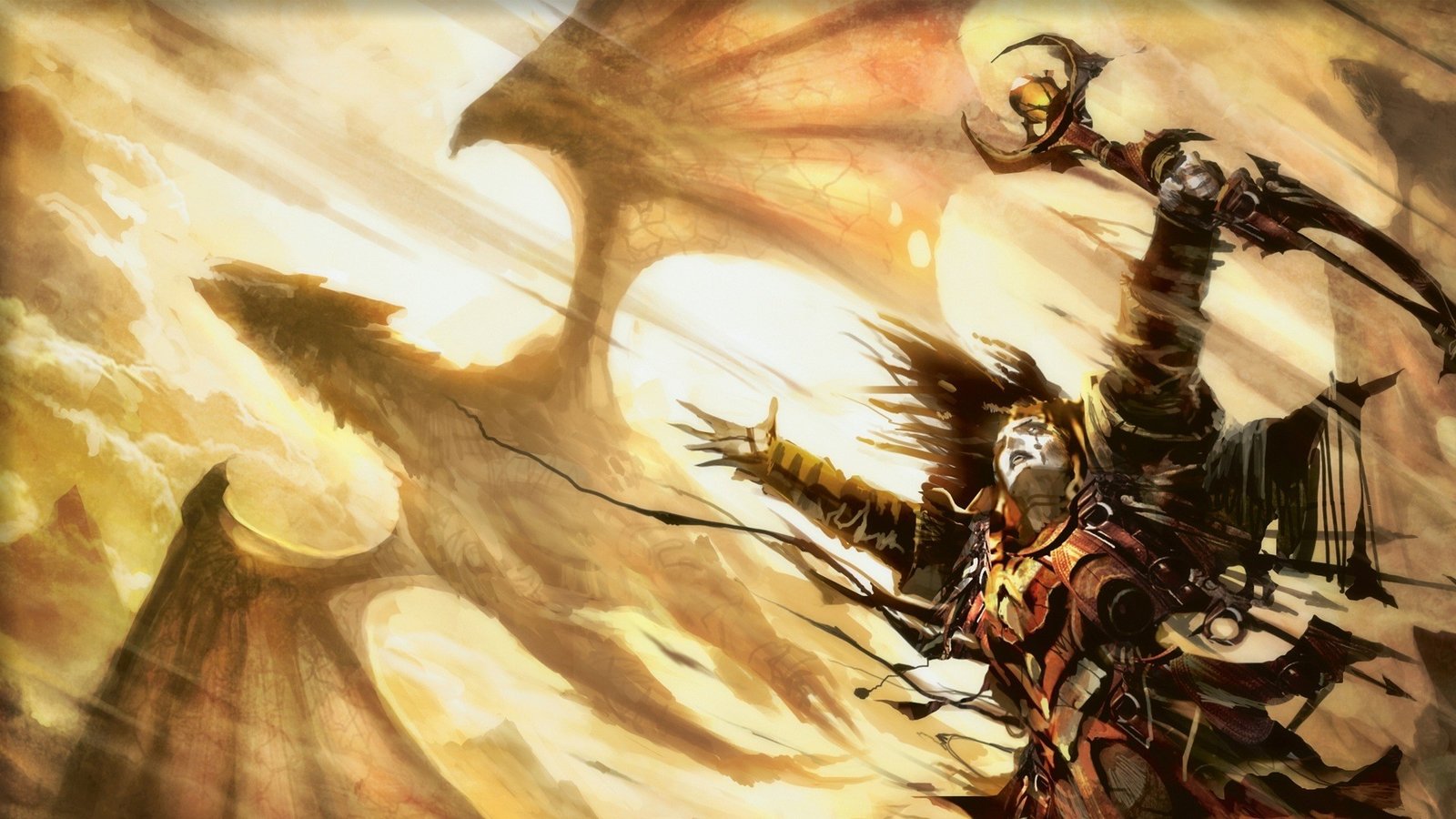
Legend of the Dragoon
Legend of the Dragoon
The day the sky fractured into rivers of gold, the world remembered a word it had tried to forget: Dragoon. Shadows of a vast wing stitched themselves across the sun, and the wind carried a voice older than mountains through the high columns of stone. Stories once whispered in ember-light woke, ash flurrying like startled birds, and all the horizons leaned closer to listen. In that listening, something ancient turned its gaze upon the living…
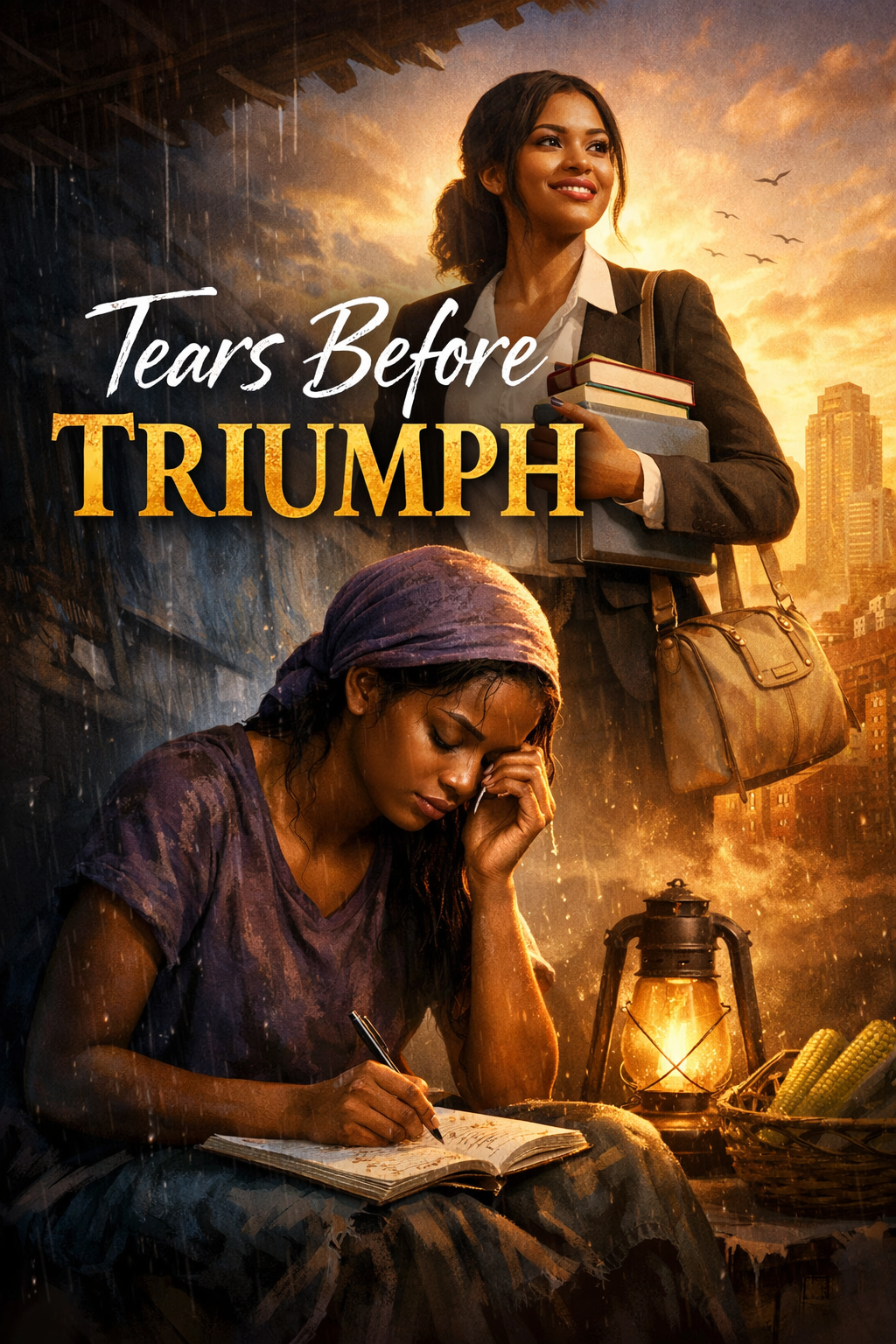
Tears Before Triumph
Before the World Knew Her Name
Some people are born into comfort.
Others are born into survival.
Amina was born into struggle.
Before she could spell her name, she knew hunger.
Before she learned to dream, she learned sacrifice.
The rain that leaked through their roof was normal.
The empty pot on the fire was normal.
The whispers of neighbors who called her family “unlucky” were normal.
But what was never normal…
was the fire inside her.
While other children played, Amina worked.
While others complained, she prayed.
While life tried to break her, she kept standing.
Every tear she cried carried a promise.
I will not end like this.
Little did she know…
The same life she was fighting to escape
was preparing a final test she would never see coming.
Because sometimes —
the strongest warriors don’t fall in battle.
They fall when victory is already in their hands.
Blood between worlds
Blood between worlds
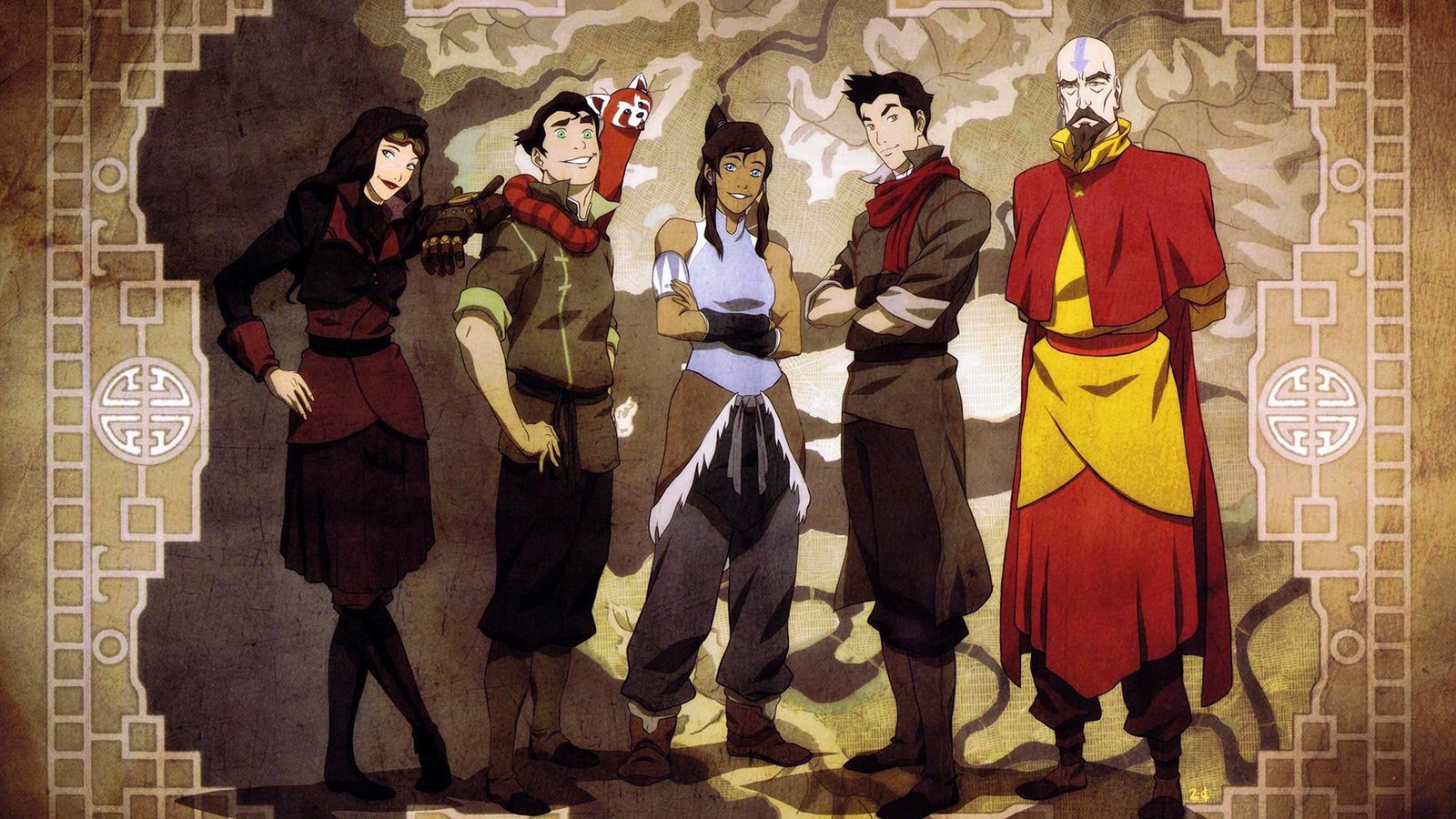
On a tea-stained wall of the city, a mural watches: five figures caught between legend and smoke—a sharp-eyed engineer in lacquered leathers, two brothers in red and green, a woman with storm-blue eyes and winter at her boots, and a patient monk draped in sunset robes. A red-furred shadow peers from a shoulder. Behind them, a tree unfurls its roots into stone and its branches into cloud, as if deciding which world to claim. Citizens pass, believing the paint has dried. They do not see the door.
The door thins when machines purr and prayers hush, when the tide forgets which moon to follow. Blood calls it open—the blood of lineages that remember fires older than factories, the blood of oaths braided tighter than any scarf. A whisper travels from spirit wind to steel avenue: bridges are breaking, and what crosses will not ask permission. Balance, once cupped in gentle hands, must be gripped again.
They will gather beneath the painted tree, five shadows stepping out of their own outlines, summoned by the rumor that the worlds have begun to trade prices. Some debts can be paid in coin, some in breath, but this one demands kinship—blood not as violence, but as belonging—and asks whom they claim when the sky is split. Before the first tear opens, before the first name is forgotten, they take one more still moment and breathe. It is the last quiet the worlds will share.
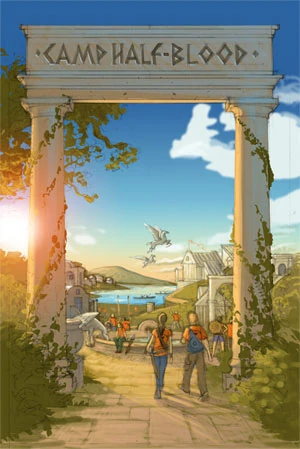
Camp Half-Blood '90s
It's 1996 and the world has never seemed more connected. Meanwhile, at Camp Half-Blood, demi-gods are learning how to get along with technology that is seeming ever more present. Cell phones summoning monsters? Dial-up declaring disasters? One thing is clear...it's not easy to be a half-blood!
Big stresses like this are momentarily forgotten, for now a game of capture the flag is reigning supreme!
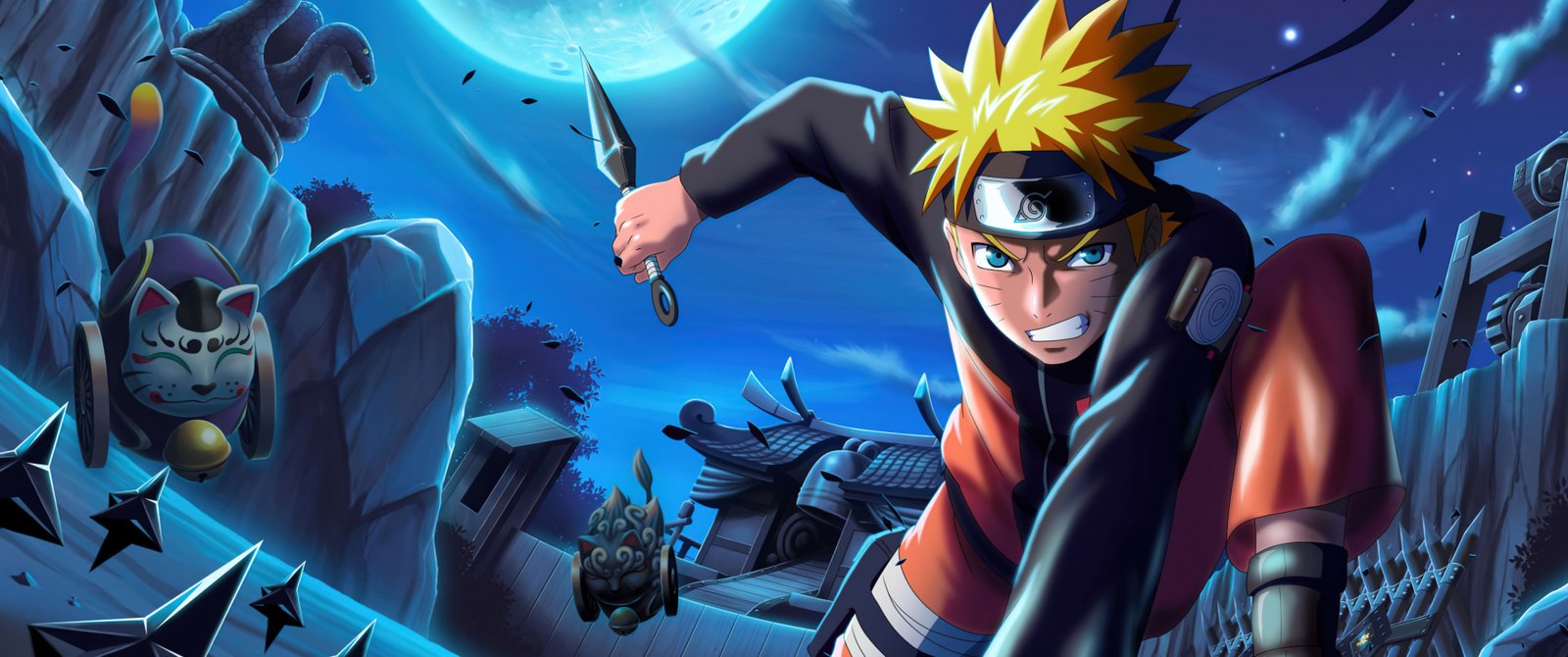
Naruto
A Hidden Legacy Under the Moonlit Shadows
In the village of Konoha, deep within a world swathed in mystery and ancient rites, a tumultuous night unfurled its secrets. The moon, a silent overseer, cast a lustrous glow over the rugged stones and whispering winds of the Valley of the End, where legends were both born and buried. Among those myths was Naruto, a young ninja with a spirit as fiery as his hair and a will as unyielding as the steel of his kunai. Clad in his iconic orange and blue, he stood perched atop a steep cliff, eyes blazing with determination, facing the unknown challenges that shimmered under the starlit dome.
This very night was etched into the fates as a pivotal chapter in his journey—an ascent marred by the weight of legacy and the shadows of foregone heroes. Behind him, spectral forms of his predecessors lingered in the ethereal mist, their silent whispers woven into the cool breeze, speaking of destiny and daring valor. With the sharp kunai firmly gripped, Naruto's gaze was an unspoken challenge to the veiled threats dancing just beyond the reach of light, where allies and adversaries merged into the same intricate tapestry of this grand narrative.
As the wind howled through the relics of battles long past, a mysterious figure watched from the darkness—a guardian or a harbinger, the night yet to reveal. Naruto's journey was more than a quest for recognition; it was a relentless pursuit of peace, understanding, and the unbreakable bonds that define the true power of the human spirit. Under the watchful eyes of the cosmos, his story was about to unfold, promising a saga of courage, friendship, and the eternal clash between sacrifice and salvation.
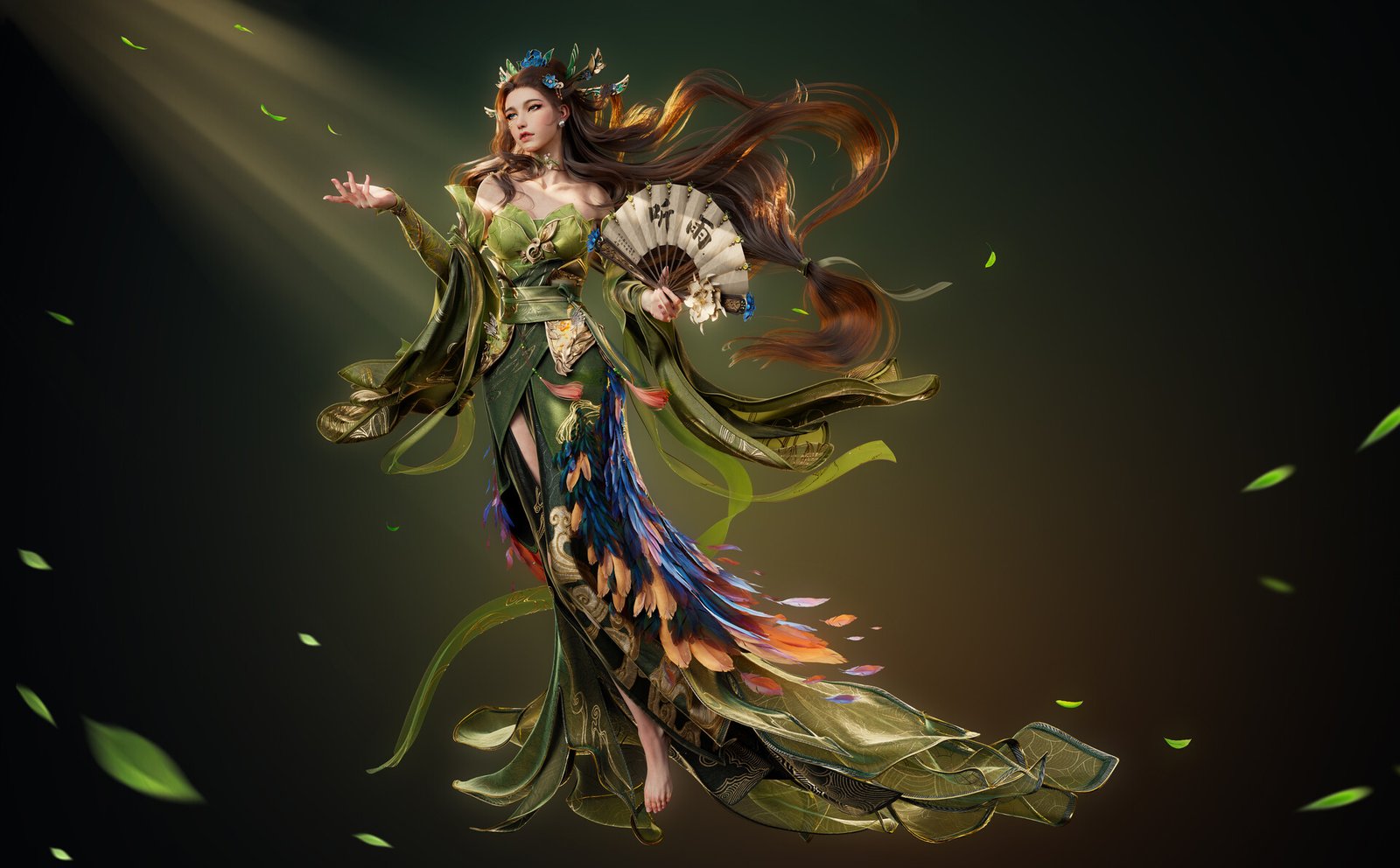
Ivy's League
Ivy's League
Light broke over the hush like a blade slipped from velvet, and she stepped out of the seam between seasons—barefoot, crowned in green, her gown stitched from leaf-silk and feathered fire. A lacquered fan glimmered in her hand, its ribs inked with old sigils that breathed when opened, hushed when closed. She called herself Ivy, and when she lifted her wrist the air answered, flurries of small leaves circling as if to hear the syllabus.
The cities had forgotten their pact with the roots that sleep beneath their stone, so she came to found a different kind of league—an unquiet fellowship bound not by heraldry, but by breath, rain, and patience. Invitations rode the wind as bright, weightless leaves, and whoever caught one would find a question stitched into its veins: What will you let grow where you were taught to conquer?
Across the river of glass and smoke, the old accountants of angles sharpened their shears, measuring futures in straight lines and clean cuts. Ivy only smiled, folding her fan to hide nine hidden tasks along its bones. When the last of autumn’s green refused to fall, the first student would arrive, and the League would begin its lessons in the language of living things.
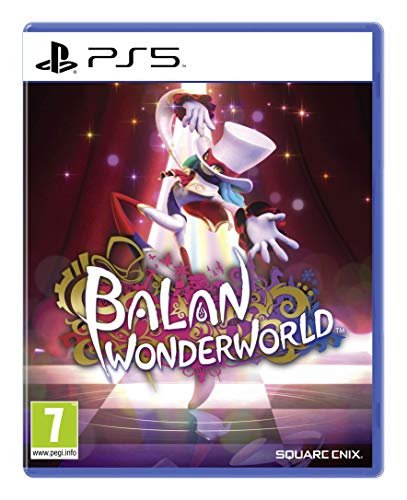
Balan Wonderworld is a whimsical stage-show themed 3D platformer from Square Enix. Guided by the mysterious maestro Balan, protagonists Leo and Emma explore 12 dreamlike worlds born from people’s hearts. You collect and swap dozens of costumes that grant unique abilities to solve puzzles, traverse levels, and battle Negati bosses. The game features a colorful, musical presentation and local two-player co-op.
I'm falling
I'm falling
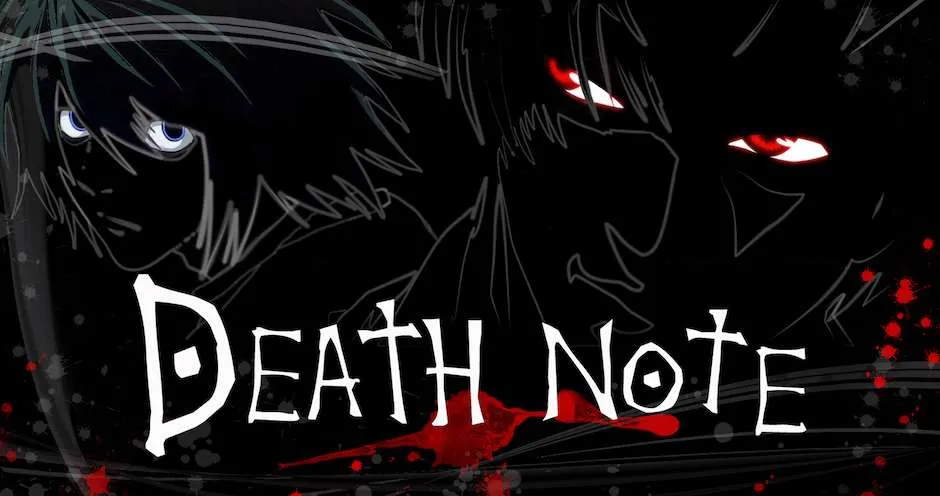
Night is chalked in white scratches and spattered red, a blackboard sky where the city writes its lies. I used to read it like a student—patient, obedient, certain that answers lived at the back of the book. Now I’m the one scribbling in the margins, the ink too dark, the letters too sharp. Every stroke bites through the paper and into the world.
Two gazes divide the dark: one cold as rain on glass, the other hot enough to cauterize a conscience. Between them hangs a thin line—the kind you draw under a name when you mean it. I hold a ledger that shouldn’t exist, a book that promises endings to those who believe they deserve them, and to those who don’t. Each name I write is a step off the curb, a slip from the railing, a whisper that unhooks me from the ledge of who I was.
I’m falling, not through air but through choices, past the last soft excuse into the hard wind of consequence. Down here the city looks honest, stripped to bones and neon, and my shadow stretches long enough to cover graves I can’t see. Somewhere above, the watcher counts my breaths, the hunter measures my steps, and the page waits for a final line that curls like a hook: my own name. If I land, it will be where the red smears into truth—and where every light, blue or burning, turns to look away.
The Falling Leaves
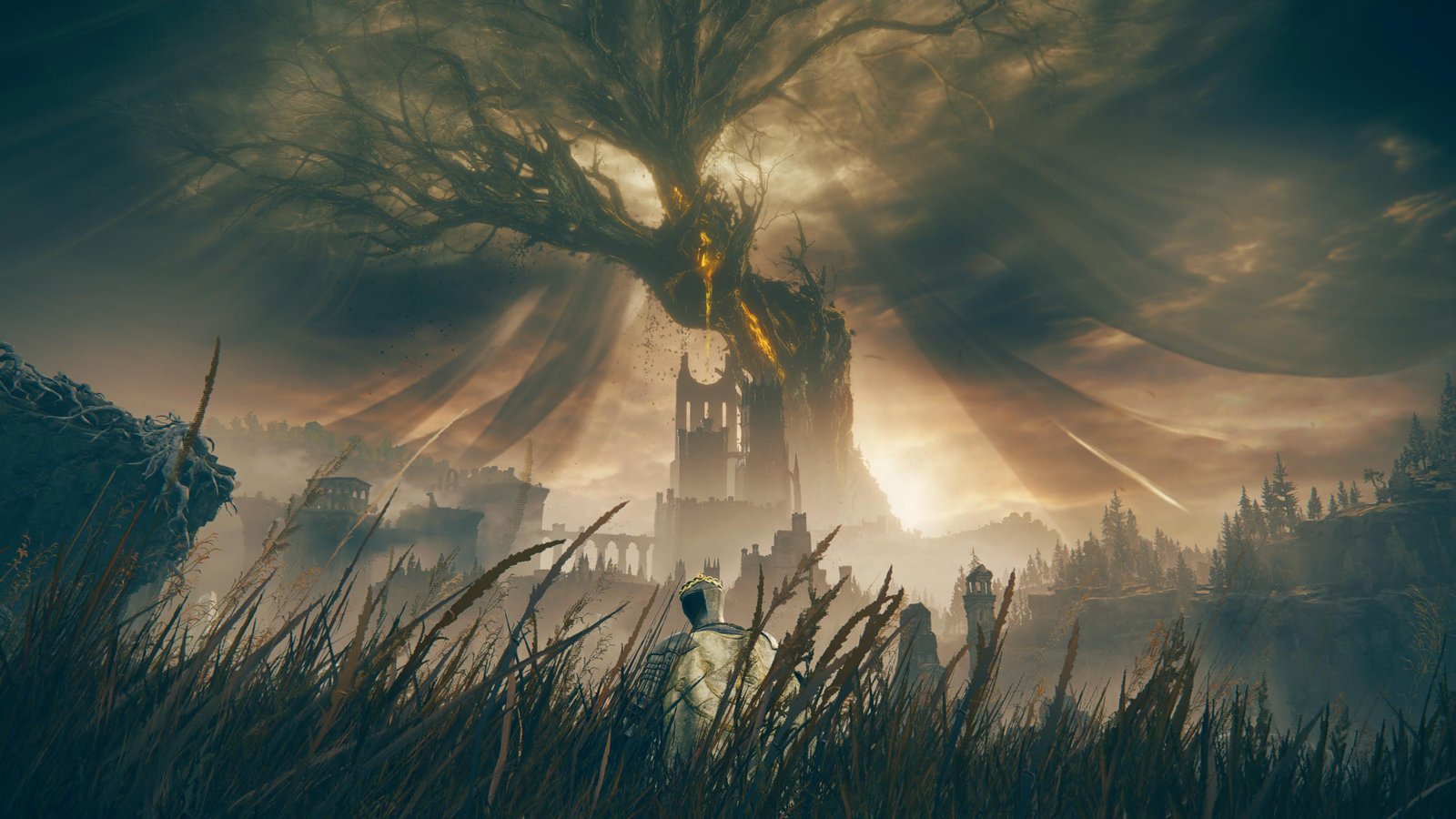
The Lands Between is in ruins and the tarnished have been called back to claim the Ledne Ring and set order to a land thrust in chaos.
Batman to rider
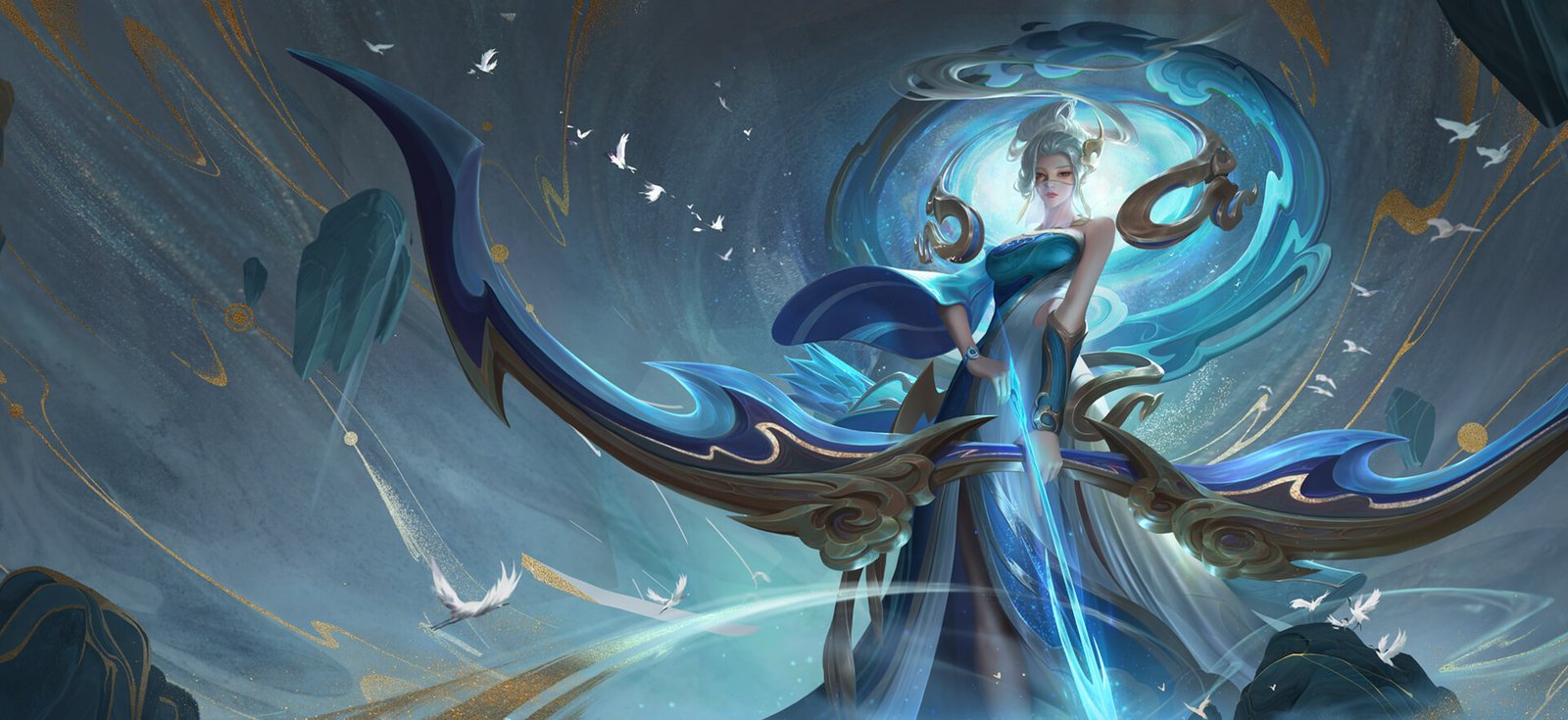
All alone in the bat-cave Batman works at the bat computer up dating his files on cases and suspects when all of a sudden he is drawn to a strange book that suddenly appeared behind him. When he goes to touch it he is charged forever. Giving him new powers but loses his pride.
Cowboy Bebop
Cowboy Bebop
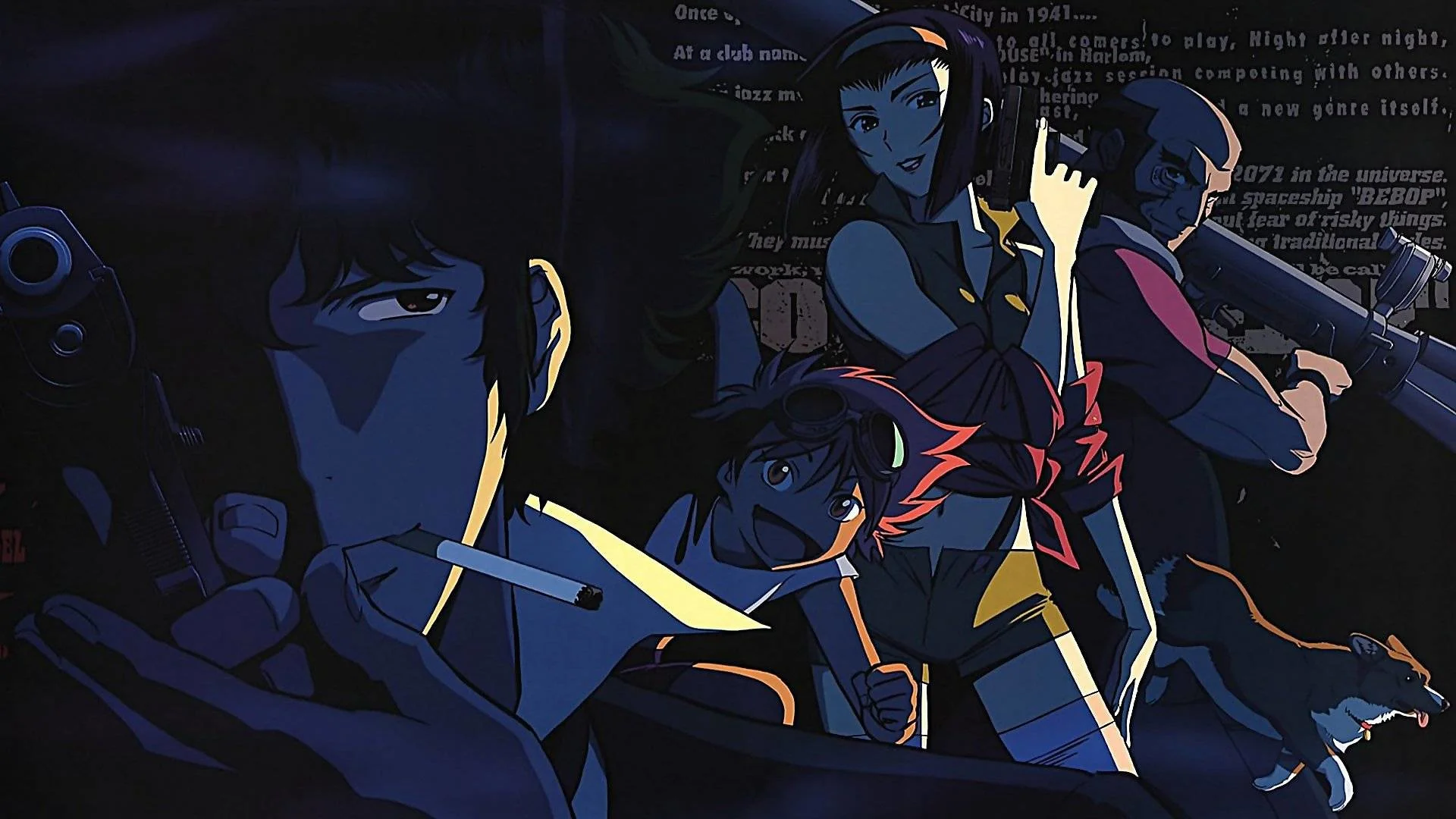
In the flicker of neon lights and the shadowy corridors of the sprawling spaceport, stories of bounty hunters spun like the jazz records that echoed through unkempt bars on Mars. From the enlightened chambers of Ganymede to the sulfuric winds of Io, legends were many, but few carried the notoriety of the ship and its crew known simply as Cowboy Bebop. This painted rhapsody of old school debauchery and stoic bravery called to the wayfarers bound by no planet nor the warped morals of civilization, living only by the tunes of freedom skewered by occasional nostalgia.
Their lives, a dutiful parade of risks, riches, and remnants of past lives, cascaded across the universe's canvas like a spontaneous bebop solo. Spike, with his eyes both haunted and enigmatic, drifted through his existence driven by whims, kindling and smoke, a constant presence in his silhouette. Faye, enigmatic as the cosmic dusk, wrestled with ghosts of her own, marked by gambits and stardust. Jet, the heart and engine of Bebop, retained fragments of law beneath his skin but played the tunes of anarchy just fine. Among this motley crew, the ship whirred and hummed its baritone lullaby, harboring a corgi with brains barking at the leagues of space and time.
Thus, under a quilt of infinite stars, their voyages scribbled untold tales across the void, chasing bounties, evading wounds, each other’s only constant in their solitary fight against the abyss of space. In this cosmic mesh of lights, shadows, and yearnings, debts with life itself come due, and for the Cowboy Bebop, every sunset on a foreign planet bore the weight of a past and the flicker of a future, unresolved yet relentlessly pursued.
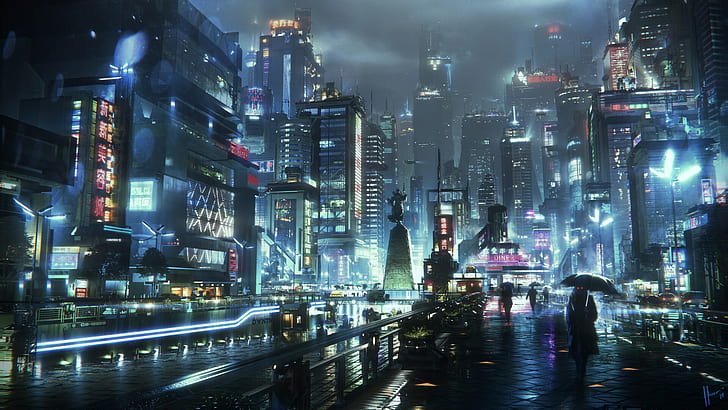
Seven Sisters
The city of Aurora-7 stretched upward like a forest of glass and lightning, each tower crowned with neon halos that cut through the permanent night. No one alive remembered the last sunrise. Some said the sky went dark after the Wars of Fusion. Others swore the light was taken—stolen by the Seven Sisters themselves.
Most citizens believed the Sisters were only myths: seven ancient intelligences rumored to govern the city from behind encrypted partitions of the world-net. Their symbols pulsed quietly on forgotten monuments. Their names, whispered in underground channels, were said to hold real power.
But in Aurora-7, everyone believed something different… because nothing could be proven. Not anymore.
Tonight, something changed.
A tremor rippled through the upper districts—faint, elegant, almost like a heartbeat returning after centuries of silence. Screens across the megacity flickered. Advertisements froze. Rain turned to static for a breath of a moment. And atop the old obelisk in Central Wayline, the First Sister’s sigil lit up—a shimmering white star with seven broken points.
People stopped.
Every citizen felt it, though none could say why: a message… a warning… or a calling.
Deep below the streets, in the under-maintenance shafts, a runaway coder named Vera Nox watched the symbol appear on her hacked visor feed. She had spent years digging through abandoned grids looking for proof the Sisters ever existed. She never expected one to answer.
At the same moment, in the Sky-Council towers, alarms blared as encrypted archives broke open from the inside. Unknown data streamed through the secure lines. Panic rose. If the Sisters were waking, every secret the Council buried—including who really ended the last sunrise—was at risk.
And throughout Aurora-7, thousands of people felt something stir in their minds, as if a presence brushed against their thoughts. Some felt awe. Others felt fear. A few… felt recognition.
A new era had begun.
One Sister had awakened.
Six more remained silent—for now.
And Aurora-7, a city built on shadows and circuitry, was about to remember the truth it had forced itself to forget.
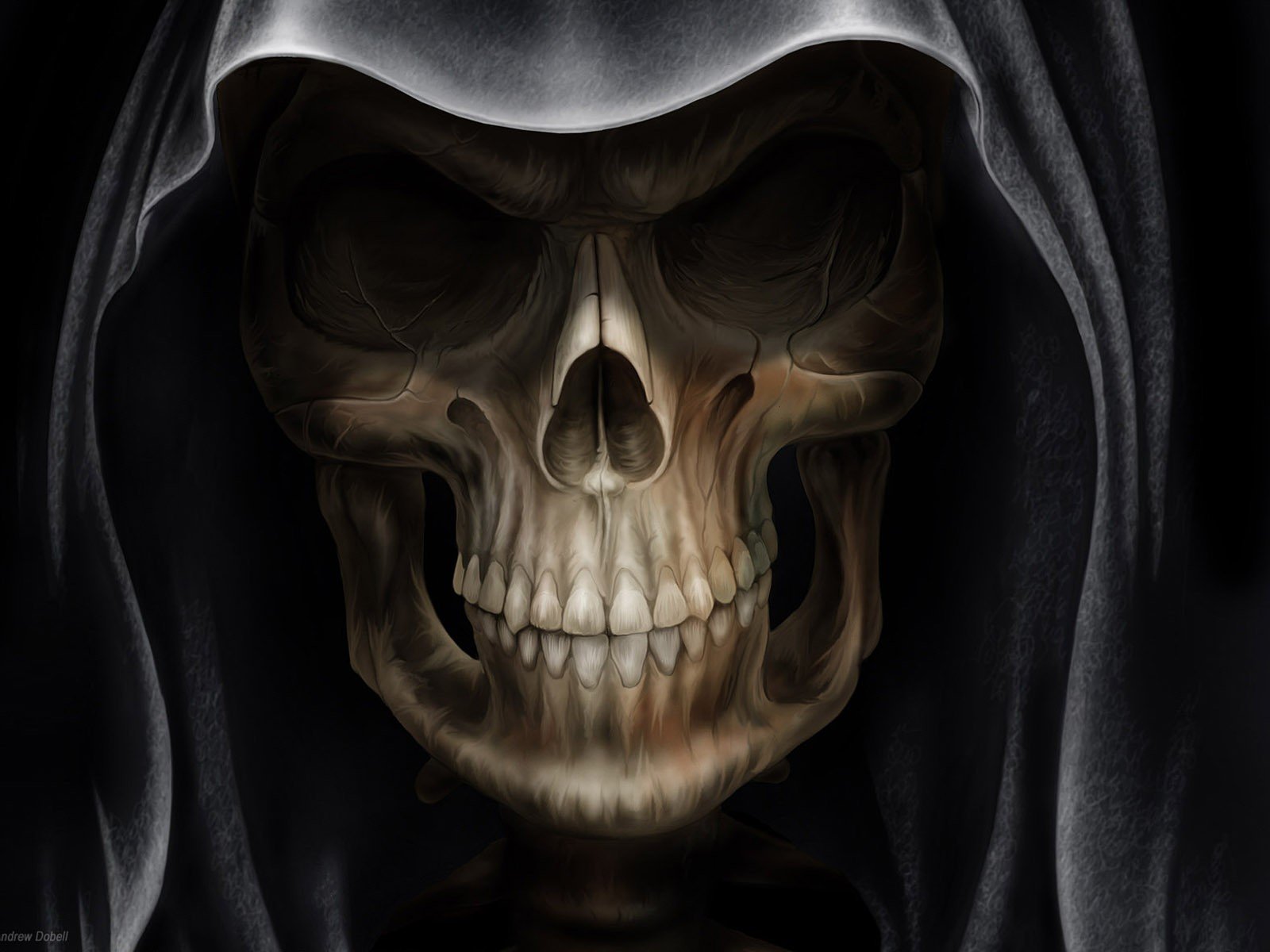
Not every man truly lives…
Not every man truly lives…
I have no heartbeat, but I know the rhythm of yours. Beneath the hood, my grin is only bone and inevitability, a pale lantern hung in the night between one breath and the next. Men call me many names when the curtain parts. Some plead, some curse, some pretend not to see the figure in the doorway where the light stops. I do not judge. I arrive. I tip the balance with a quiet hand and watch the masks fall from faces you mistook for your own.
Understand this: I do not come because life is cruel. I come because time is honest. And in my ledger there are more empty pages than you would believe—years spent sealed in fear, courage caged in ribcages, dreams embalmed before the body. Most men survive. Few are brave enough to live. They trade wonder for certainty, and when I touch their shoulder, they finally realize what their days could have been, glowing faintly like embers they never stirred.
But tonight, the balance stirs another way. A man whose pulse is a drum I have long heard will find me in the dark and dare to lift my hood. He will ask not for mercy, but for meaning, and in that asking ignite a rebellion against the calendar itself. Keep your eyes open. When the darkness smiles, it is not always an ending. Sometimes, it is the only honest beginning.
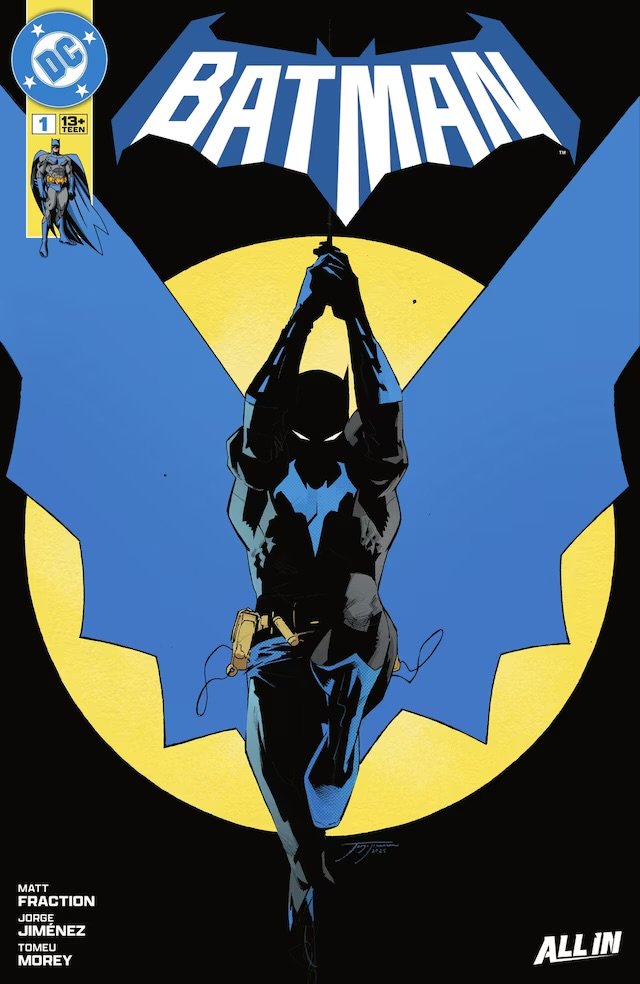
Batman: The Missing Moments
With Batman dead and the rest of the family gone, Dick Grayson is struggling to find his place in his father’s world. As he shoulders the leadership of the Justice League and takes Bruce’s place in Gotham society, he must also find a way to raise his traumatized and hostile youngest brother.
Luckily, he’s not alone. One vigilante defied the odds to stay with him, and Stephanie Brown achieves what she sets her mind to. Together, can they rebuild their family and defend their world?

Summon midnight royalty to your collection with this chibi-styled vampire lord, flaunting razor-sharp brows, crimson eyes, and a flowing raven mane over ornate red-and-black armor and a sweeping cape; crafted in smooth vinyl and perfectly palm-sized for shelves or desks, he brings brooding elegance to any anime display—pair him with your favorite hunters for an epic standoff or let him reign alone as the ultimate gothic centerpiece.
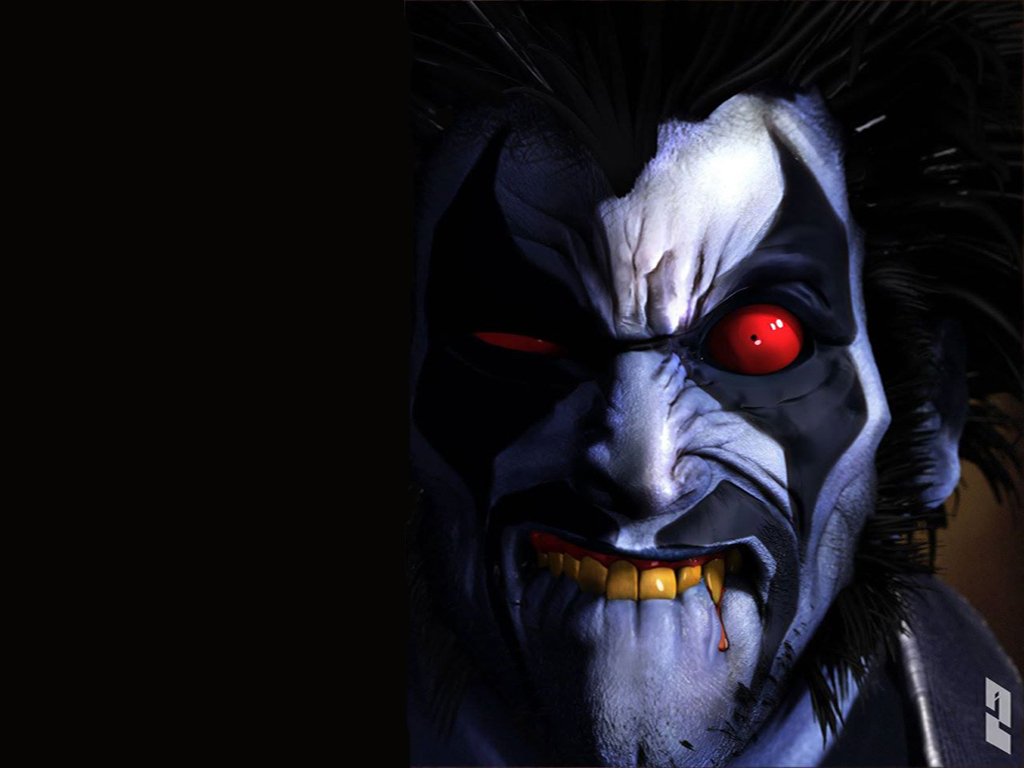
Lobo: Bounty Hunter
The Vigil of Shadows
Under the cloak of celestial darkness stretched across a planet where the suns seldom converged, Lobo, the bounty hunter with eyes as red as the blood moons of Zaloria, emerged from the underbelly of Cosmodious. Every being in the sector whispered his name with a mixture of dread and respect. Notorious across the galaxies for his ruthless efficiency, Lobo's face bore the scars of a thousand bounties, and his spirit carried the weight of a million souls snatched from the edge of existence.
Armed with an arsenal of weaponry the envy of any arsenal, and a custom-built cruiser with engines silent as the ghost light of nebulae, Lobo thrived in the chase. The shadows were his domicile, and fear, his ally. Tonight, as the twin moons cast a dubious glow over the rugged terrain of a forgotten outpost, he pursued a quarry that could redefine the boundaries of power in the known universe. With each step, his heavy boots crushed the sands of time, leaving a path defined by resolve and reverberating with ominous intent.
His latest target was no ordinary fugitive; a creature born of cosmic storms and ancient witchcraft, whispered to possess the ability to alter the fabric of reality itself. Capturing such a beast would not only fetch a king's ransom but might also unlock secrets buried within the annals of cosmic lore. As Lobo adjusted his tracker, his eyes glinted with a ferocity matched only by the stars that bled light into the eternal night – a predator in his element, ready to strike.
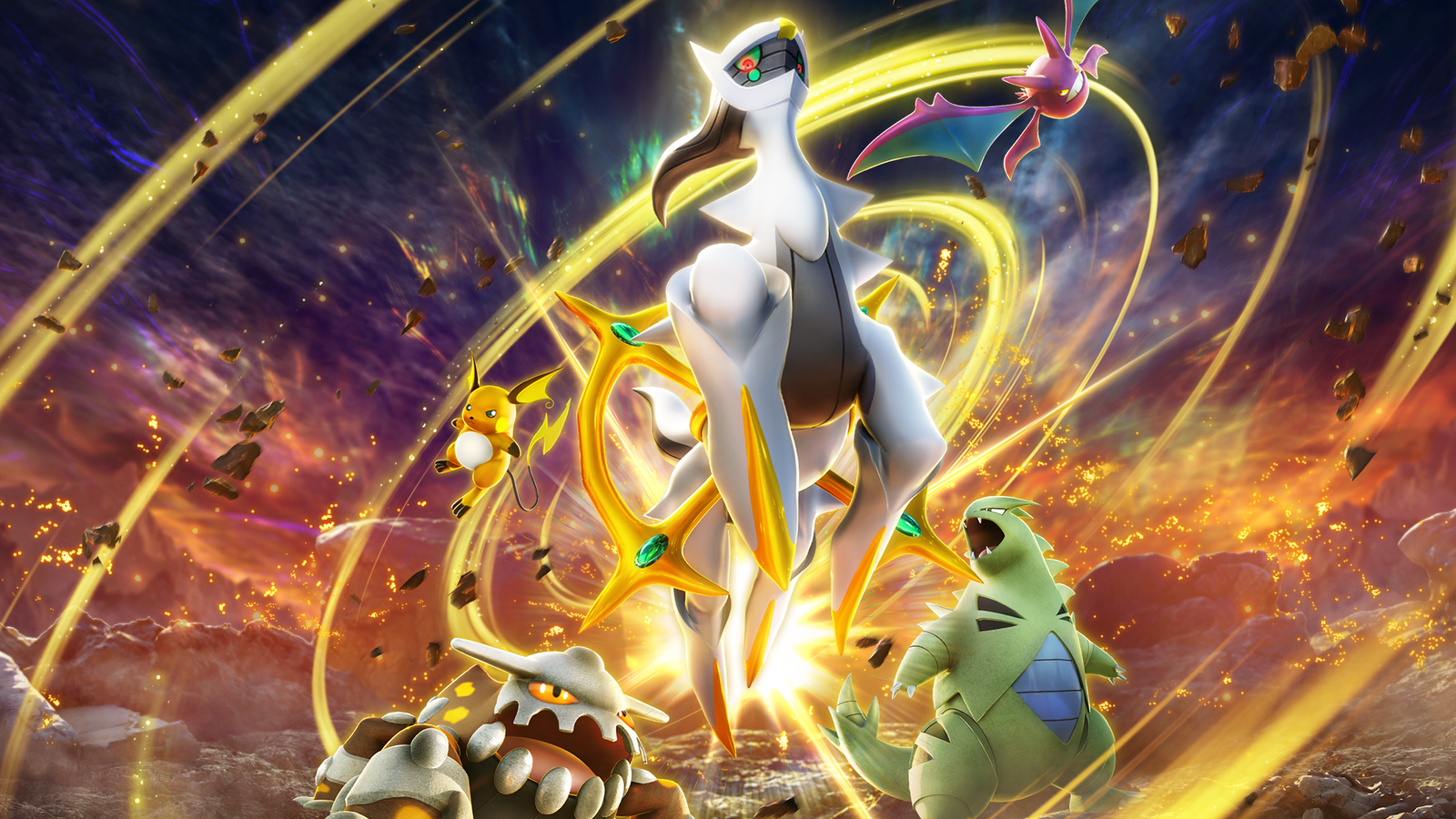
The Great Adventure
Pokémon, the Great Adventure
Before the first footprint is set upon the road, the sky itself awakens. A wheel of living light unfurls and Arceus descends, its radiance carving golden spirals through storm and starlight. The earth heaves; embers birth a molten roar as Heatran stirs, shadows split as Tyranitar rises, and a violet streak like a heartbeat becomes Crobat’s flight. Lightning finds a companion in a brave little Raichu, leaping from stone to stone while fragments of ancient Plates rain like meteors, each shard humming with the memory of creation.
Across distant regions, ruins remember their names and towers long asleep turn their faces to the wind. The old stories speak of balance braided from courage and kindness, of a traveler who will walk between thunder and silence to gather what was scattered when the heavens cracked. Not a call to conquest, but to harmony; for if the Plates drift apart, so too will the world, thread by luminous thread.
In a quiet town beneath the trembling constellations, a young heart looks up and feels the world lean closer. Maps ripple, routes redraw, and the first step waits where the road meets the horizon’s glow. With partners at their side and legend at their back, they will chase the falling stars to the cradle of beginnings, answering the summoning light with a promise that will be written in every footprint: this is where the Great Adventure begins.
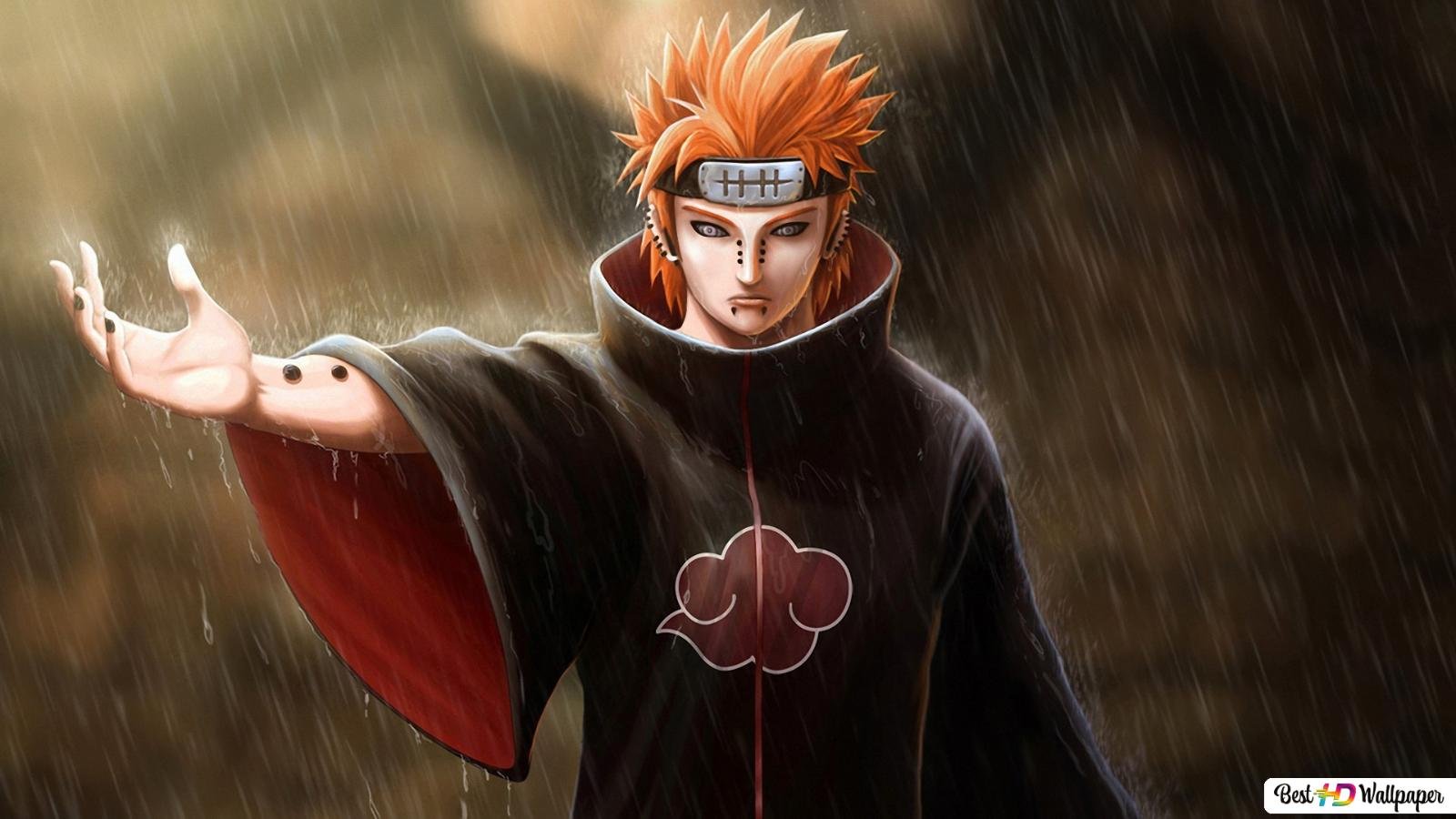
Naruto!
Naruto!
The rain never forgets. It drums on steel-spiked skin and black clouds sewn into a cloak, washing the world to the color of iron. Beneath that storm, a figure lifts his hand to catch the sky, ringed eyes measuring each drop as if counting sins. In the hush between thunderbeats, a promise gathers—peace at any cost, written in the language of pain.
Far from the rain’s kingdom, a village of sunlit roofs stirs to a different rhythm. A boy with a fox’s grin and a name shouted like a challenge races the wind, chasing the dream that has chased him all his life. Where others see storms, he sees a chance to break the clouds. His heartbeat is loud enough to be heard, even by gods who mistake silence for order.
When the hand in the rain finally falls, it is not surrender but summons. Paths once hidden begin to cross; old wounds reopen and new bonds spark in the wet and the roar. The world holds its breath as lightning stitches horizon to horizon, waiting to see which voice will hold—one that commands the storm, or one that laughs in its face. And somewhere between them, fate sharpens its kunai.
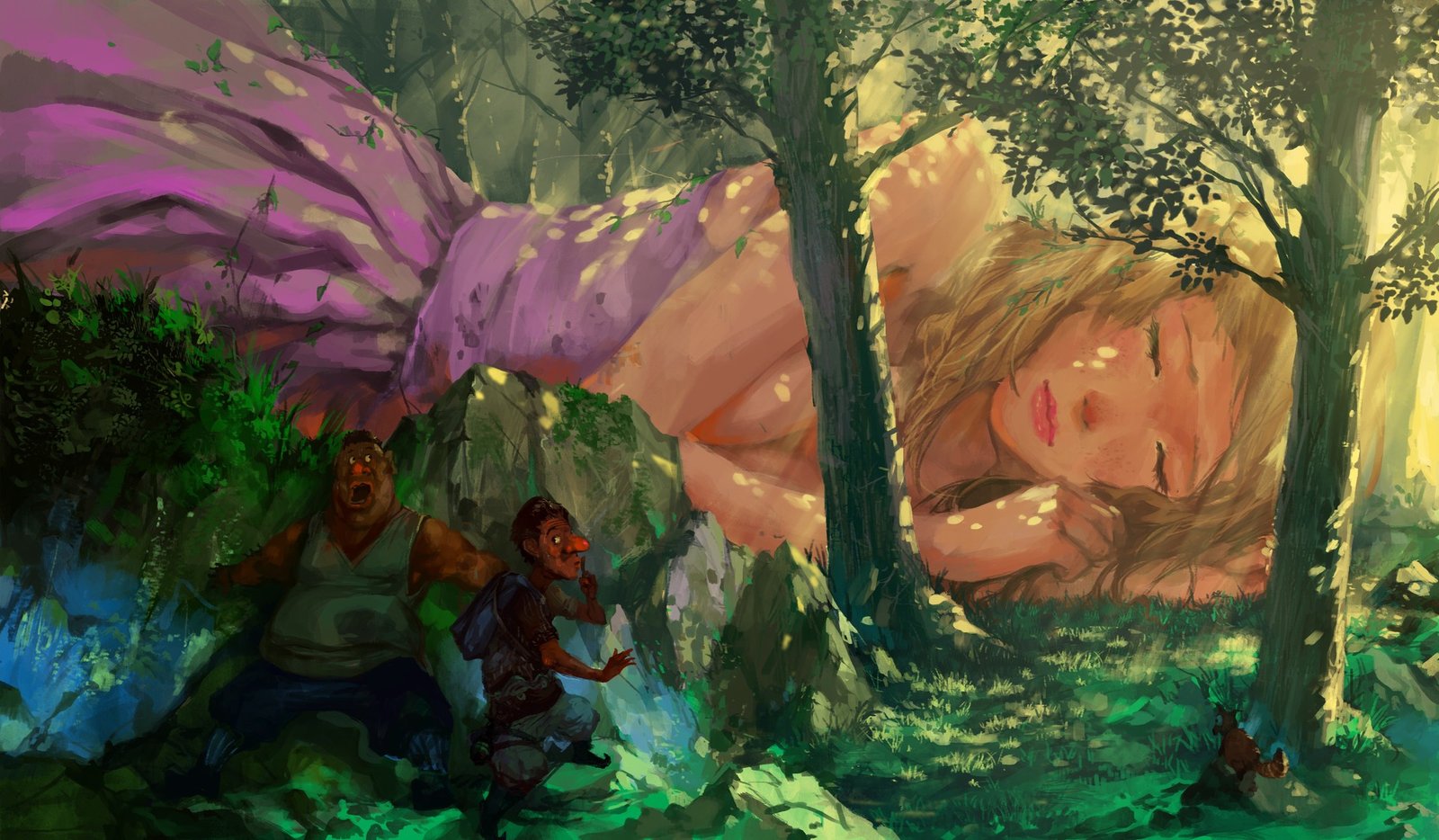
Pomegranate
Pomegranate
The forest held its breath where she slept, a young colossus folded among roots and sunlit ferns, her violet dress pooled like dusk between the trees. Light sifted through the canopy in bright flecks, peppering her cheek like scattered seeds. Every rise of her shoulder stirred the leaves; every sigh tuned the birds to silence. The old paths called this hush Pomegranate—the place where sweetness and peril lay in the same skin.
Two small figures crept along the moss, men who trafficked in rumors and debts, drawn by a tale older than their knives. They had heard there was a fruit cupped in the sleeper’s palm, not ruby but radiance, each seed a held season, each bite a binding. One wanted a harvest for a blighted village; the other wanted coin enough to rinse his name. Between them a squirrel watched like a priest of the understory, as if aware that oaths were about to be broken.
For the forest’s fruit was not meant to be plucked; it was a door disguised as a jewel, a tasting that changed the taster. Steal a seed and the world remembers you in winter; taste six and the world will not forget. When their shadow crossed her fingers, the sleeper’s lashes trembled, and the dappled light tightened on the ground like a net. This is where our story opens: with a breath held too long, a hand reaching farther than wisdom, and a seed deciding whose mouth it would choose.
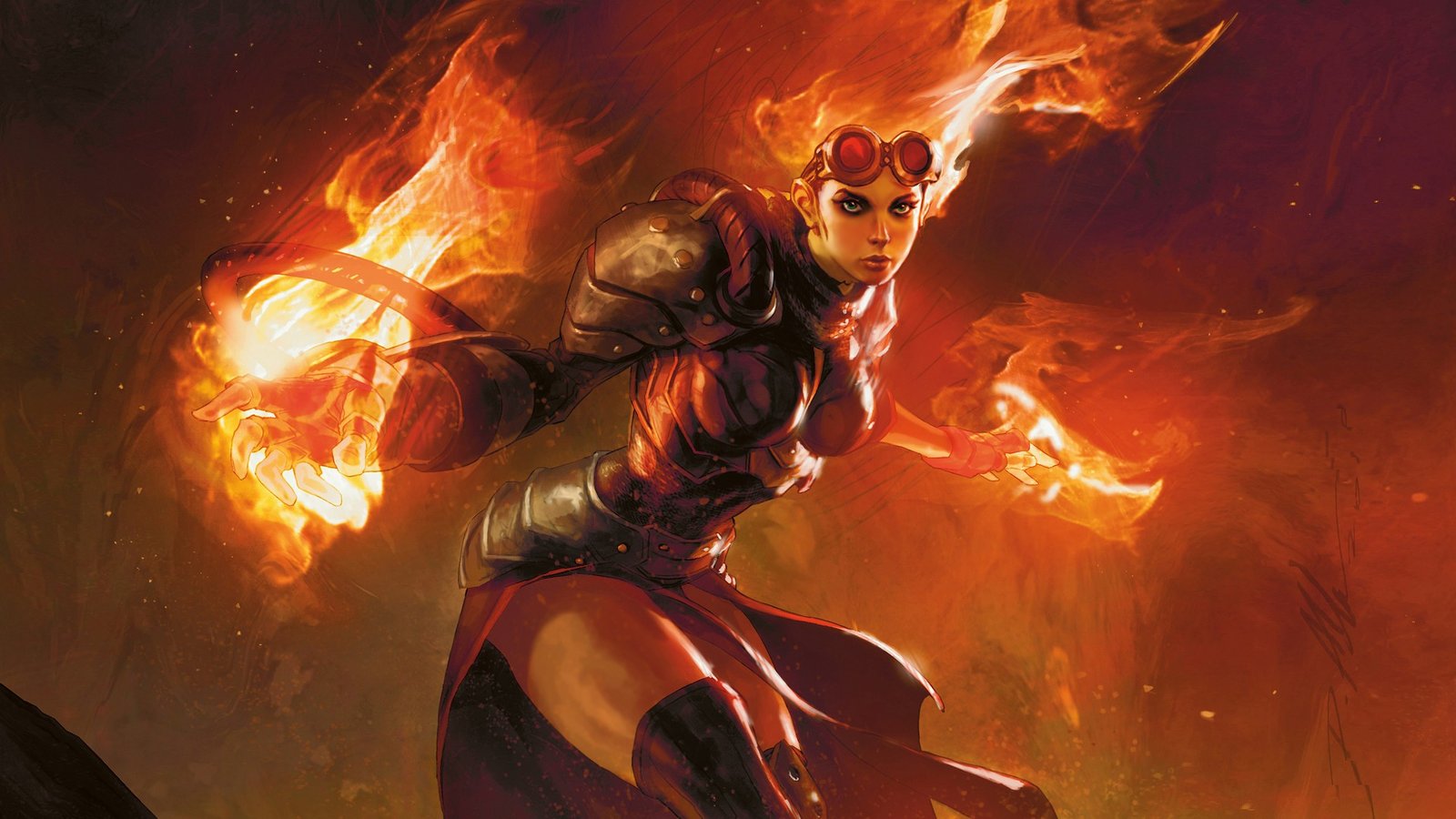
Bitterness
Bitterness
In the city where heat never slept, the night smelled of iron and orange peels left to blacken on the grates. She walked there with fire braided into her hair and cinders cupped like coins in her palms, an alchemist of anger, a conjurer of breath that burned. The goggles on her brow were not for seeing farther, but for remembering the glare of the last door that closed on her—white-hot, definitive; the moment when warmth learned the taste of ash.
Flame obeyed her because it recognized its own orphan. It licked her knuckles, curled around the plates of her armor, and waited for a name to burn; but she did not speak it. Names are sweet, and sweetness was a language she had forgotten. What she knew was the flavor left in a mouth after a hard truth—the rind of a promise kept by someone else, the pith of a city that asked for light and found a weapon.
So she set her course by scorches: a map of black kisses on stone, a cartography of the things she could not forgive. Somewhere beyond the next alley, beyond the ring of heat that followed her like a halo turned inside out, someone carried a colder fire, the kind that hollows. When they met, one of them would be cured of bitterness. The other would learn how long even ashes can burn.
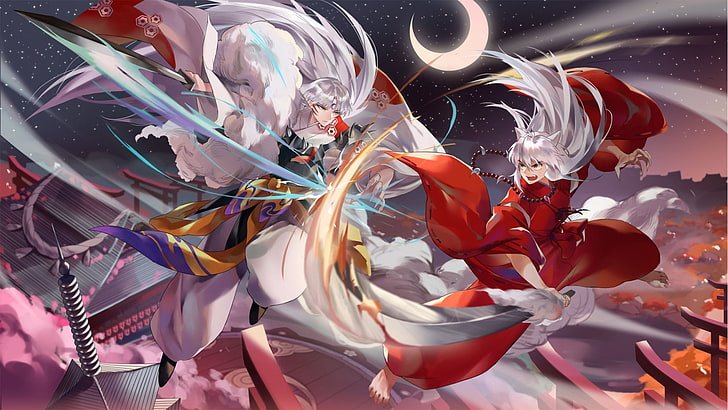
Inuyasha
Inuyasha
Under a scythe-thin moon, temple eaves tilt toward a sky split by silver and scarlet. The wind howls like a blade as two figures whirl above the tiled roofs—one in the red of a fire-rat’s cloak, the other draped in pale armor, cold as winter. Steel sings, claws spark, and the night itself holds its breath, for their clash is more than rivalry; it is a fault line running beneath the age of demons and men.
Old vows stir in the shadows. Rumors speak of a moonlit omen, of a power fractured and scattered like autumn leaves, and of a path that demands blood or mercy from those who walk it. The border between shrine and wilderness thins, and even the restless stars seem to lean closer, listening for the name carried on the gale.
When the first shout breaks the roofs and the wind answers through a fang-shaped blade, fate will tighten its thread. Hunters and wanderers alike will be drawn to the echo—an archer with daylight in her eyes, a monk marked by a curse, a slayer bearing grief like steel, and a fox-child quick with laughter. In their wake, the brothers’ storm will choose its shape, and the moon will decide whether it is a sickle for reaping or a lantern for the lost.